Should I Brush My Teeth After Using Whitening Strips
TweetSharePin5Share5 SharesIf you’ve ever used teeth whitening strips, you might wonder, “should I brush my teeth after using whitening strips?” This is a common question for anyone seeking…
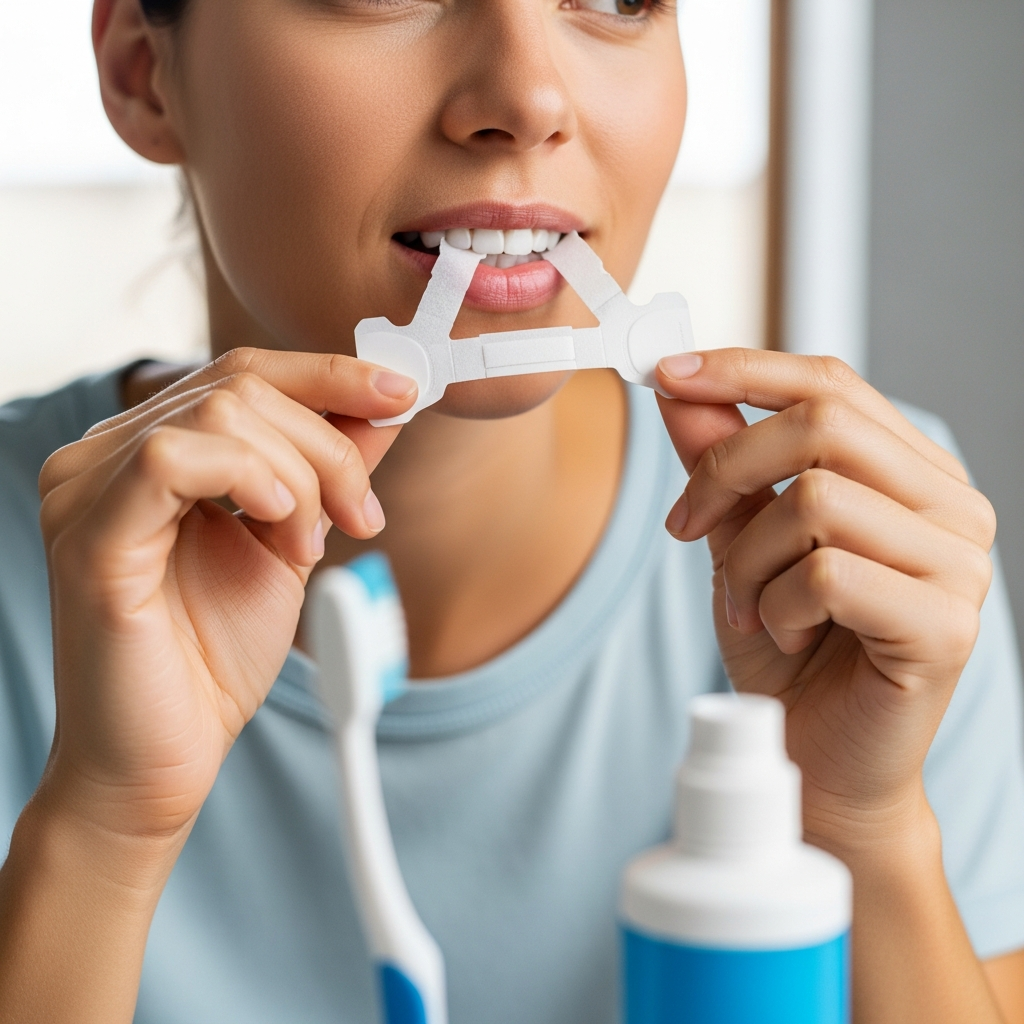
If you’ve ever used teeth whitening strips, you might wonder, “should I brush my teeth after using whitening strips?” This is a common question for anyone seeking a brighter, healthier smile. Understanding the right timing and method is essential to protect your enamel and prevent sensitive teeth after whitening strips. Brushing too soon or too harshly can cause gum irritation after whitening strips or even reduce the effectiveness of the whitening gel. On the other hand, waiting too long or skipping oral care may lead to uneven whitening results. In this guide, we’ll explore the best practices for brushing, maintaining your results, and keeping your smile safe and
Understanding How Teeth Whitening Strips Work
Teeth whitening strips are thin, flexible strips that have a gel on them that contains either hydrogen peroxide or carbamide peroxide, which are bleaching agents. These strips release peroxide molecules that get through the enamel and into the dentin when they are put on teeth. This breaks down the molecules that cause staining. Repeated use will make your teeth whiter.
It is important to note that teeth whitening strips primarily target surface stains from coffee, tea, wine, and smoking. They don’t always work on deep stains that are inside the tooth structure. If the strips are not put on correctly or if the teeth are not cleaned well before, the whitening may not be even. Knowing how hydrogen peroxide teeth whitening or carbamide peroxide whitening strips work on a chemical level helps people follow the instructions for using teeth whitening strips better.
Can You Brush Your Teeth Before Using Whitening Strips?
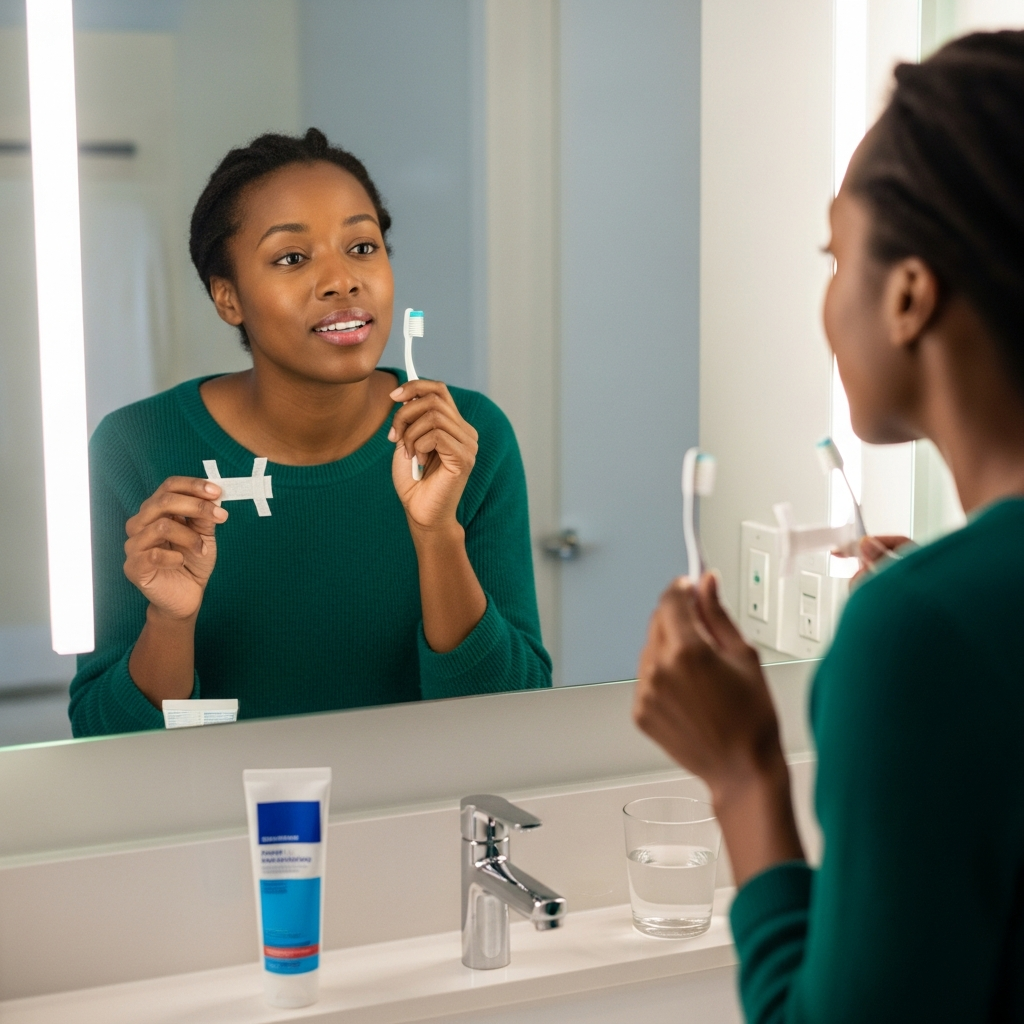
It is highly recommended that you brush your teeth before putting on whitening strips. Cleaning your teeth gets rid of plaque and food particles that can get stuck between the strip and the enamel. When teeth are clean, the whitening gel works better, which lowers the chance of getting uneven results.
But you need to wait at least 30 minutes after brushing your teeth with whitening toothpaste before putting on the strips. Brushing right before whitening can make your gums hurt and make your teeth more sensitive. Brushing your teeth with a soft toothbrush (with soft bristles) before whitening is good for your enamel and makes sure your mouth is clean before you start the whitening process.
Can You Brush Your Teeth After Using Whitening Strips?
People often want to know if they can brush their teeth after using whitening strips. Yes, but when and how you do it is very important. You should wait at least 30 to 60 minutes after taking the strips off before you brush your teeth. This keeps your gums from getting more irritated after using whitening strips and lets the peroxide do its job.
When you do brush, use a toothbrush with soft bristles and brush gently. Your teeth might be a little more sensitive after treatment, so don’t scrub them too hard. Brushing your teeth and using a mild fluoride rinse or whitening mouthwash can help keep the strips bright. If you take care of your teeth properly after whitening, it will hurt less and the results will last longer.
The Best Time to Brush for Maximum Whitening Results
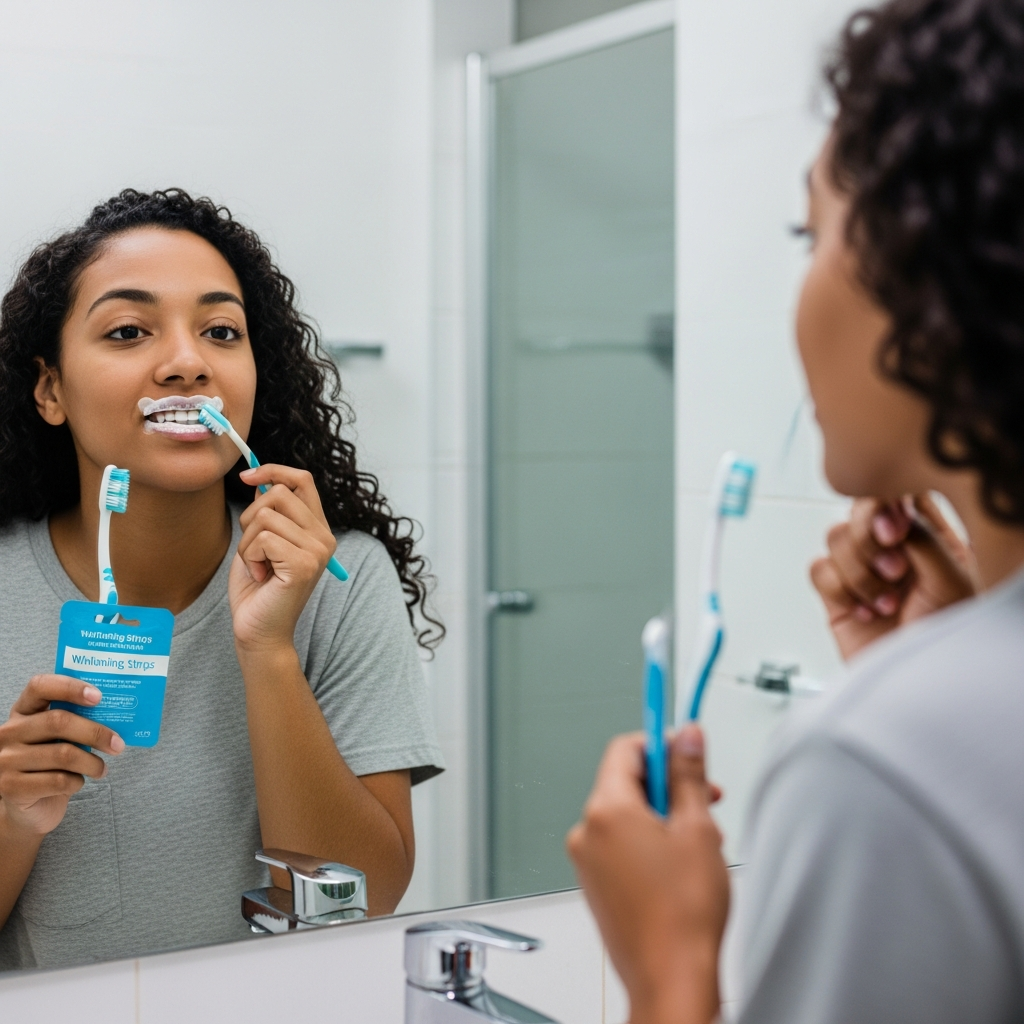
To get the most out of whitening strips, you need to use them at the right time. Brushing your teeth before using whitening strips makes sure they are clean and ready to take in the whitening agents. Waiting at least 30 minutes after putting on the strips before brushing your teeth keeps the peroxide from coming off too soon, which could make the results less effective.
During a whitening treatment, experts often tell people to brush their teeth twice a day with whitening toothpaste. Brushing at the right times helps protect enamel during whitening and stops stains from coming back quickly. It’s very important to follow the instructions for teeth whitening strips exactly so that you don’t get sensitive teeth or irritated gums afterward.
What You Should Avoid After Using Whitening Strips
After using teeth whitening strips, you should avoid some things that could make them less effective or hurt your teeth. After whitening, foods that are acidic, coffee, tea, wine, and smoking can stain your teeth right away. Hard or sticky foods can also hurt the enamel while it is still weak.
Also, don’t brush too hard right after taking the strips off. Brushing too hard after using whitening strips can make your teeth more sensitive and hurt your gums. Taking care of your teeth properly after whitening and waiting will keep them healthy and bright and stop uneven whitening results.
Protecting Your Enamel During Whitening
It is very important to keep your enamel strong during any whitening procedure. Using teeth whitening strips too often or brushing the wrong way can make enamel weaker, which can make teeth sensitive or hurt them. Using a toothbrush with soft bristles and fluoride toothpaste like Colgate Max White can help make enamel stronger and whiter at the same time.
Don’t use whitening strips with pastes that are too rough or scrubbing that is too hard. Gentle brushing and proper timing protect your enamel while allowing hydrogen peroxide teeth whitening or carbamide peroxide whitening strips to work effectively. Taking care of enamel while whitening your teeth keeps your mouth healthy for a long time and lowers the chance of getting sensitive teeth after using whitening strips.
How Often Should You Use Whitening Strips?
The frequency depends on the brand and strength of the strips. Most manufacturers say to use it once a day for 10 to 14 days. Using strips too often can make your teeth more sensitive after using whitening strips and your gums more irritated after using whitening strips. To avoid problems, it is very important to follow the directions for the teeth whitening strips exactly.
For those seeking ongoing maintenance, using whitening strips for sensitive teeth or alternating with professional teeth whitening alternatives like a tooth whitening kit or whitening pen is a safe approach. To get the best results without hurting your gums or enamel, you need to be consistent and not overdo it.
Possible Side Effects of Whitening Strips
Teeth whitening strips are usually safe, but some people may have side effects from using them. The most common side effects are sensitive teeth after using whitening strips, gum irritation after using whitening strips, and mild discomfort during treatment. These effects usually go away after you stop using the products or switch to ones for sensitive teeth.
If you use it wrong, it can sometimes cause uneven whitening or damage to enamel. Using a toothbrush with soft bristles and following the instructions for teeth whitening strips can help lessen side effects. Choosing products like Colgate Max White can also help. People who are very sensitive might want to look into professional teeth whitening options that are safer.
When to Consult a Dentist About Whitening
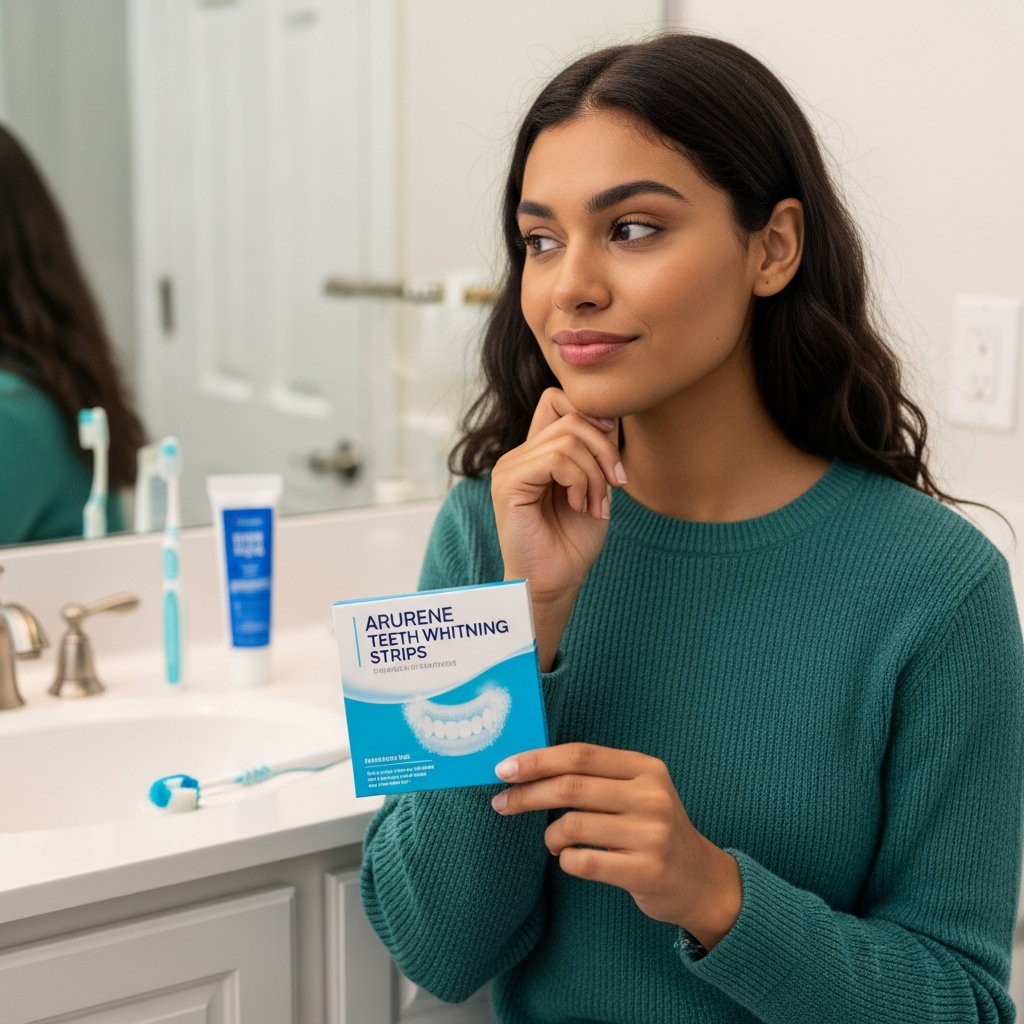
It is a good idea to see a dentist before starting whitening treatments, especially for people whose teeth are sensitive after using whitening strips, have gum problems, or have had dental work done in the past. A dentist can check the health of your enamel and suggest safe options like professional teeth whitening, a tooth whitening kit, or a whitening pen.
Going to the dentist also makes sure that you use teeth whitening strips correctly and that your gums don’t get irritated after using them. Dental advice is important for keeping your mouth clean, avoiding problems, and getting consistent results. Your dentist can give you personalized advice on how to protect your enamel while whitening your teeth and keep your smile bright for a long time.
Maintaining Your Bright Smile
To keep your results after a whitening treatment, you need to take care of your teeth and gums regularly and practice excellent oral hygiene. It’s important to brush with whitening toothpaste, rinse with whitening mouthwash, and stay away from foods that can stain your teeth. Taking care of your mouth properly after whitening will help your results last longer.
To keep your smile bright, you should see the dentist regularly, use whitening strips on sensitive teeth if you need to, and use Colgate Max White products in your daily routine. If you get professional help and take care of your teeth at home, they will stay white, healthy, and strong. This will also help with sensitive teeth and gum irritation after using whitening strips.To keep your results after a whitening treatment, you need to take care of your teeth and gums regularly and practice excellent oral hygiene. It’s important to brush with whitening toothpaste, rinse with whitening mouthwash, and stay away from foods that can stain your teeth. Taking care of your mouth properly after whitening will help your results last longer.
Should I brush my teeth after using Crest whitening strips?
It’s best to wait at least 30 minutes before brushing to protect your enamel.
After using whitening strips, should I brush my teeth?
Yes, but gently with a soft-bristled toothbrush after waiting 30 minutes.
How long should you wait to brush your teeth after whitening strips?
Wait about 30 minutes to allow the hydrogen peroxide or carbamide peroxide to work.
Do I rinse after taking off whitening strips?
Yes, rinse your mouth with water to remove leftover gel and reduce gum irritation.
Affiliate disclosure: Some buttons may lead to official product pages. We may earn a commission if you buy through those links, at no extra cost to you. Content is informational and not medical advice.