How to Get Hair Dye Off Skin
TweetSharePinShare0 SharesTrying a new hair color at home can be exciting, but it often leaves a mess. Knowing how to get hair dye off skin is a lifesaver…
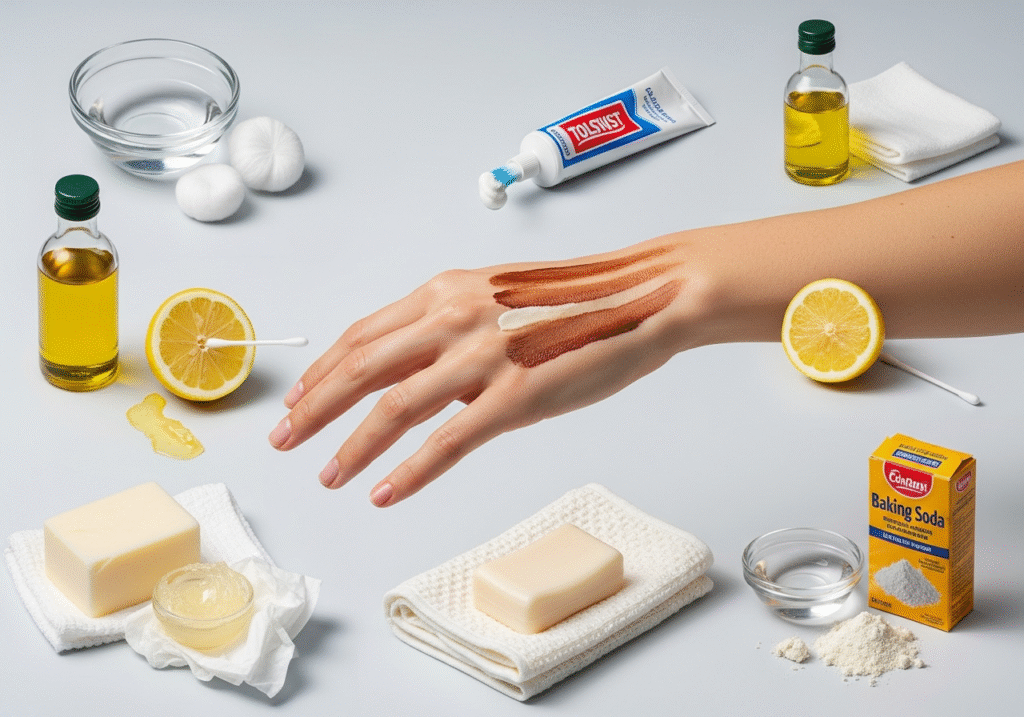
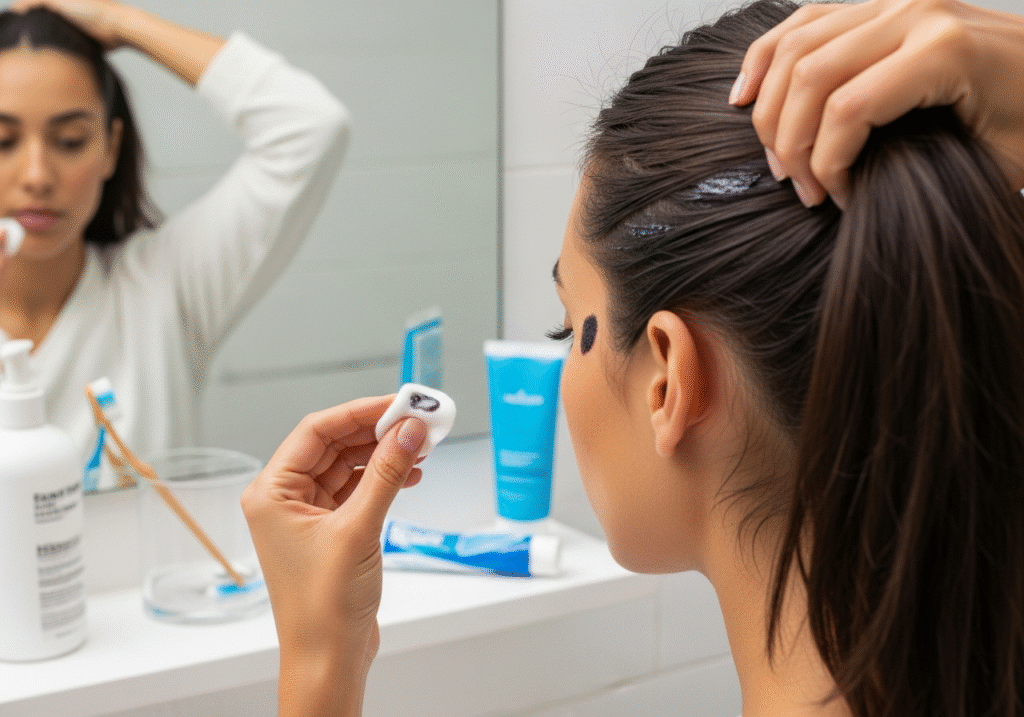
Trying a new hair color at home can be exciting, but it often leaves a mess. Knowing how to get hair dye off skin is a lifesaver for anyone who wants quick results. Hair color stains commonly appear on the forehead, neck, or fingers. Understanding ways to get dye off skin using safe home remedies or specialized products can save time and irritation. With the right tips, you can easily remove hair dye from skin without scrubbing harshly or damaging sensitive areas. This guide provides practical steps and expert advice to keep your skin clean and fresh after coloring.
Hair dye is one of the most popular ways to change your look, but a common problem many people face is hair dye staining the skin. Whether you’re dyeing your hair at home or at a salon, it is easy for pigment to touch your forehead, ears, neck, or hands. These stains can be frustrating and embarrassing, especially if you have an event or meeting soon after dyeing your hair. Fortunately, there are several safe and effective ways to remove hair dye from skin. This guide will teach you how to remove stains, prevent them in the future, and care for your skin.
Hair dye stains occur because the color pigments in the dye are designed to stick to hair. The skin, especially around the hairline, is warm and thin, so it easily absorbs the dye. While some stains fade naturally within a few days, many people want faster results. This comprehensive guide provides multiple methods, including home remedies, professional solutions, and preventive tips, to ensure your skin remains clean and healthy.
Why Hair Dye Stains Skin
Hair dye contains strong pigments designed to penetrate hair strands and remain vibrant. When dye touches the skin, these pigments settle in the outermost layer. Darker hair colors, like black or burgundy, are particularly likely to stain. Semi-permanent dyes often leave longer-lasting marks because they use direct dyes that attach quickly to the skin.
The length of time a stain lasts depends on skin type, dye color, and method of application. Areas like the forehead, ears, and neck absorb dye faster because the skin is thinner and warmer. People with dry or cracked skin may notice darker stains. Natural exfoliation removes pigment gradually, but this can take several days.
“Hair dye stains are stubborn because the pigments are designed to bond. Acting quickly and using the right removal method makes all the difference,” says professional hair stylist Jenna Lowe.
Preparing Your Skin Before Dyeing
Preventing stains is much easier than removing them. Applying petroleum jelly, barrier creams, or moisturizer along your hairline, ears, and neck before coloring protects your skin. Wearing gloves prevents staining your hands. Using an applicator brush rather than fingers allows for more precision and reduces accidental smudges.
Checking for spills immediately is crucial. Fresh stains are much easier to remove than dried ones. Avoid using harsh chemicals or scrubbing too hard before coloring, as irritated skin absorbs dye more easily.
Quick Methods to Remove Hair Dye
Soap and Warm Water
Soap and warm water is the simplest and safest method. Warm water opens the pores, and soap helps dissolve the dye pigments. Gently massage the area for a few minutes, rinse, and repeat if necessary. This method works best on fresh stains.
Oil-Based Cleansers
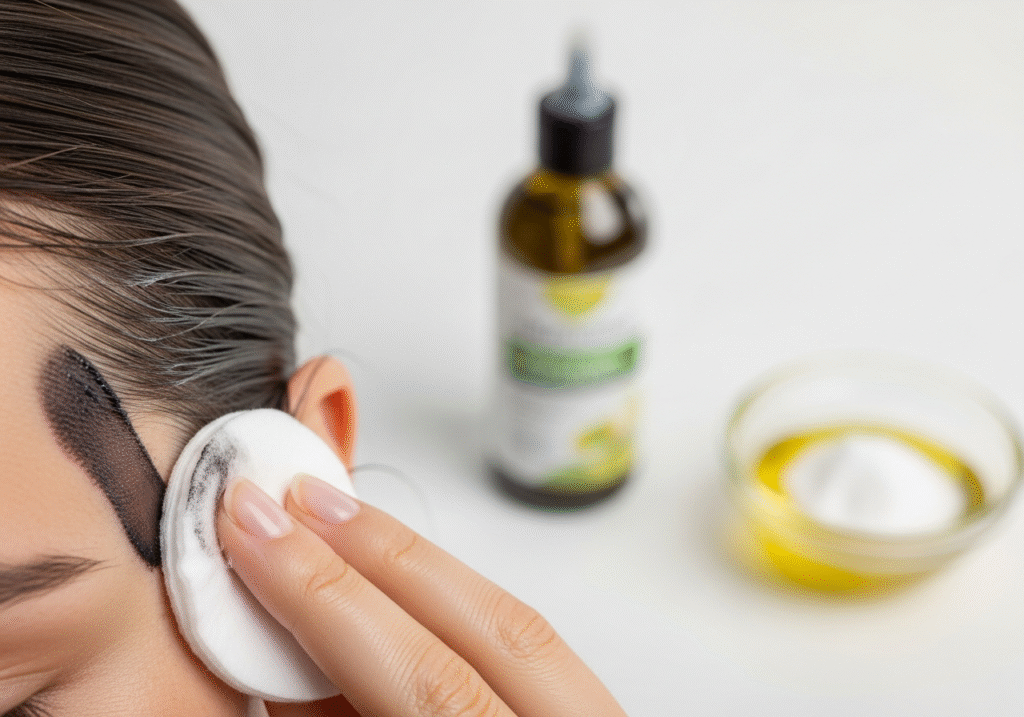
Oils like coconut oil, olive oil, or baby oil dissolve hair dye gently. Massage oil into the stained area, leave it for a few minutes, then wipe off with a soft cloth. Oils not only remove stains but also hydrate the skin, making them ideal for sensitive areas like the face or hairline.
Micellar Water
Micellar water is safe and effective, especially near the eyes. Soak a cotton pad, press it gently on the stain for a few seconds, and wipe away. Repeat until the stain fades. This method is gentle, hydrating, and suitable for all skin types.
Toothpaste
White toothpaste works as a mild abrasive. Apply a small amount to the stain, rub gently in circles, leave for one minute, then rinse. Toothpaste works well on hands, neck, and stubborn stains, but it can dry out sensitive facial skin, so use cautiously.
Baking Soda and Soap Paste
Baking soda is a gentle exfoliant. Mix it with liquid soap to form a paste and rub gently over the stain. Rinse thoroughly. This method is stronger than soap alone and works well on hands, arms, and neck, but should be avoided on delicate facial areas.
Petroleum Jelly
Petroleum jelly softens the pigment and traps it for easy removal. Apply a thick layer, leave for a few minutes, and wipe off. While slower than other methods, it is safe for sensitive skin.
Rubbing Alcohol
Rubbing alcohol is strong and removes tough stains quickly. Dab gently with a cotton pad and rinse afterward. Avoid using near the eyes or on cracked skin.
Methods for Sensitive Skin
Sensitive skin requires gentle cleaning methods. Coconut oil, baby oil, petroleum jelly, aloe vera, and micellar water are the safest options. They remove dye without irritation while hydrating the skin. Avoid harsh abrasives like baking soda or rubbing alcohol on sensitive areas. Patience is essential, as gentle methods may take multiple applications to remove deep stains.
How to Remove Hair Dye From Specific Areas
Hairline
The hairline is delicate and prone to staining. Use oil-based cleansers, micellar water, or petroleum jelly. Massage gently in small circles and wipe with a soft cloth. Avoid scrubbing, as this can irritate the skin.
Forehead
For forehead stains, gentle cleansing with oil or micellar water works best. Toothpaste can be used carefully for stubborn spots, but avoid harsh exfoliants to prevent redness.
Ears
Ears are sensitive and curved, making them tricky to clean. Coconut oil, baby oil, or micellar water works effectively. Let the product sit for a few minutes, then wipe gently. Avoid rubbing alcohol or harsh scrubs.
Neck
The neck is thin and sensitive. Apply oil, micellar water, or mild exfoliation if necessary. Avoid scrubbing to prevent redness or irritation.
Hands and Fingers
Hands can handle stronger methods. Baking soda paste, toothpaste, or rubbing alcohol work well. A soft toothbrush helps remove dye near nails. Oil-based removers also work but may take longer.
Around Eyes
Only micellar water, baby oil, or coconut oil should be used. Never use harsh chemicals near the eyes. Clean gently and slowly.
Comparison Table of Hair Dye Removal Methods
| Method | Strength | Best For | Skin Type | Speed |
| Soap & Warm Water | Mild | Fresh stains | All | Fast |
| Oil (Coconut, Olive) | Gentle | Face, hairline | Sensitive | Medium |
| Toothpaste | Medium | Hands, neck | Normal | Medium |
| Baking Soda & Soap | Strong | Hands, arms | Normal | Fast |
| Micellar Water | Mild | Face, near eyes | All | Medium |
| Petroleum Jelly | Gentle | Face, hairline | Sensitive | Slow |
| Rubbing Alcohol | Strong | Hands, tough stains | Non-sensitive | Fast |
How Long Hair Dye Stains Stay
Hair dye stains last between one and seven days depending on dye type, pigment concentration, and skin type. Semi-permanent dyes and darker shades tend to stain longer. Regular gentle cleansing and moisturizing help accelerate natural fading.
How to Prevent Hair Dye Stains
Prevention is better than removal. Apply petroleum jelly or barrier cream along hairline, ears, and neck. Wear gloves to protect hands. Use a brush for precise dye application instead of fingers. Wipe drips immediately. Moisturizing the skin before and after dyeing reduces pigment absorption.
Common Mistakes to Avoid
Scrubbing too hard, using harsh chemicals like bleach or acetone, and mixing multiple strong methods can irritate skin. Using abrasive methods like baking soda or toothpaste near the eyes or face can cause redness. Always test methods on a small area first. Moisturize afterward to prevent dryness and irritation.
FAQs About Removing Hair Dye From Skin
How long do hair dye stains last? Usually between two and seven days.
Can I use nail polish remover? No, it is too harsh and can irritate skin.
Does olive oil work? Yes, especially on sensitive skin.
Will stains go away naturally? Yes, but it may take several days.
What about children? Only use gentle oils or micellar water.
Does exfoliating help? Yes, but only gently to avoid irritation.
Can stains be prevented completely? Proper skin preparation prevents most stains.
Which method is fastest? Soap and warm water work for fresh stains, rubbing alcohol for tough stains.
Are professional wipes better than home remedies? They are convenient but usually cost more.
Is petroleum jelly safe for the face? Yes, but it works more slowly than stronger methods.
Can I use toothpaste on the face? Only sparingly, as it can dry out skin.
Does baking soda remove all stains? It works well for tough areas like hands, but not ideal for sensitive skin.
How can I prevent staining my hairline? Apply barrier cream or petroleum jelly before dyeing.
Is micellar water safe for sensitive skin? Yes, even near the eyes.
What should I do if the stain is stubborn? Use gentle oil, leave it for longer, and repeat until it fades.
Case Study 1: Forehead Stains
Sarah dyed her hair dark brown at home. After rinsing, she noticed stains along her hairline. She applied coconut oil, massaged gently, and wiped off with a soft cotton pad. Within two applications, the stains disappeared. She avoided toothpaste or baking soda due to sensitive skin. This demonstrates that gentle methods work effectively for delicate areas.
Case Study 2: Hand Stains
John dyed his hair without gloves. Dark black dye stained his hands. He applied baking soda and soap paste, massaged for a few minutes, and washed off. His hands were nearly clean after one application. Moisturizing afterward prevented dryness. This shows that stronger methods are suitable for thicker skin.
Case Study 3: Ears and Neck Stains
Emily dyed her hair red and got stains on her ears and neck. She used micellar water on both areas, letting it sit for a few minutes before wiping gently. The stains faded without irritation. This illustrates that micellar water works well on sensitive, curved areas.
Expert Tips on How to Get Hair Dye Off Skin
Hair dye stains are a common problem that can ruin the look of freshly colored hair. Even if you are careful while applying hair color, it is easy for the pigment to touch the forehead, hairline, ears, neck, or hands. Learning how to get hair dye off skin effectively can save time, prevent irritation, and keep your skin looking clean and healthy. The first tip is simple: act quickly. The sooner you begin removing a stain, the easier it is to lift the pigment. Fresh stains respond better to gentle cleaning methods, while dried stains often require stronger techniques.
One of the most effective methods for removing hair dye from skin is using gentle oils. Coconut oil, olive oil, and baby oil work by dissolving the dye pigment while nourishing the skin. To use, massage a small amount of oil onto the stained area for a few minutes. The oil penetrates the pigment and lifts it from the outer layer of the skin. After massaging, wipe the area with a soft cotton cloth. This method is particularly helpful for sensitive areas like the forehead, hairline, and around the eyes, as it is gentle, non-irritating, and also moisturizes the skin. Oils can be combined with gentle exfoliation using a soft washcloth to remove stubborn stains without causing redness.
For areas that require precision, like the delicate skin around the eyes or on the ears, micellar water is an excellent choice. Micellar water contains gentle cleansing agents that attract and lift pigment without scrubbing. Apply it using a cotton pad, press it gently on the stained area for a few seconds, and wipe away. Repeat until the stain fades. This method is safe for sensitive skin and prevents irritation. Using harsh chemicals in these areas can lead to redness, itching, or even chemical burns, so micellar water is highly recommended for these delicate zones.
When it comes to tougher stains, especially on the hands, fingers, or neck, stronger methods like baking soda and soap paste or even toothpaste can be effective. Baking soda acts as a mild abrasive that exfoliates the outer layer of the skin, lifting pigment effectively. Mix baking soda with a small amount of liquid soap to form a paste. Massage the paste gently onto the stained area for one to two minutes, then rinse with warm water. Toothpaste works similarly due to its mild abrasives and can be particularly effective on stubborn hair color stains. However, these methods should be avoided on sensitive facial areas, as they can cause irritation or dryness. Always follow up with a moisturizer to maintain skin hydration.
Another important tip is prevention, which is often overlooked but very effective. Before applying hair dye, coat your hairline, ears, and neck with petroleum jelly or a barrier cream. This layer prevents the pigment from adhering to your skin in the first place. Wear gloves to protect your hands and fingers from staining. Use an applicator brush instead of your fingers to apply the dye precisely and reduce the risk of accidental smudges. Wiping up spills immediately during the coloring process can also prevent stains from setting. These simple preventive steps make a huge difference and reduce the need for strong stain removal methods afterward.
Moisturizing after removing hair dye is another key tip. Oils, soap, and exfoliants can dry out the skin, especially on the hands and face. After lifting the dye, apply a gentle moisturizer to replenish hydration. This keeps your skin soft, prevents peeling, and maintains its natural barrier, reducing the risk of irritation from residual pigment. For those with sensitive skin, using aloe vera gel or fragrance-free creams can help soothe the skin while ensuring it remains protected.
For areas like the hairline and forehead, patience is also important. Stains in these areas may fade naturally within a few days due to the skin’s natural exfoliation process. While waiting for the stain to fade, you can speed up the process by gently cleansing with oils or micellar water, but avoid scrubbing aggressively. Over-scrubbing can lead to redness, irritation, or even tiny abrasions on delicate skin. Combining gentle methods with a little patience often gives the best results.
Hands and fingers are usually more resilient, so you can use stronger methods if necessary. Rubbing alcohol can remove stubborn pigment effectively. Dab a small amount on a cotton pad and gently wipe the stained area. Follow up with an oil or moisturizer to prevent dryness. For nails or cuticles that are stained, a soft toothbrush with a paste of baking soda and soap works well to remove pigment from small crevices. Gloves are essential in the future to prevent repeated staining on these areas.
Another tip is to exfoliate naturally. A gentle scrub using sugar mixed with coconut oil can remove lingering stains without harsh chemicals. Massage the scrub in circular motions on hands, neck, or arms for a few minutes, then rinse. This method is ideal for those who prefer home remedies over chemical solutions and want to maintain healthy skin while removing stubborn hair color stains.
Sometimes, hair dye stains persist despite all efforts. In such cases, commercial professional hair dye removal wipes or creams can help. These products are designed specifically to lift pigment safely from the skin and are convenient for last-minute touch-ups. They often contain gentle exfoliants or oils that remove color without causing irritation. Using these products sparingly and according to instructions ensures that your skin remains safe while effectively removing the dye.
Finally, always remember that patience is key. Even with the best techniques, some stains may take a few days to disappear completely. The skin naturally sheds dead cells, which helps fade the dye gradually. Using gentle cleaning methods consistently over a few days, combined with moisturizing and sun protection, ensures that your skin returns to its natural tone without damage.
In summary, the most effective tips for removing hair dye from skin include acting quickly, using gentle oils and micellar water for sensitive areas, employing baking soda or toothpaste for tougher stains, applying petroleum jelly for prevention, moisturizing afterward, and practicing patience. By following these methods, anyone can deal with hair color stains safely and maintain clean, healthy skin after coloring their hair at home or in a salon.
Conclusion
Hair dye stains are common but manageable. Understanding why stains occur, knowing safe removal methods, and following prevention tips ensures a stress-free coloring experience. Use gentle methods like coconut oil, petroleum jelly, or micellar water for sensitive areas and stronger methods like baking soda or toothpaste for tougher stains. Always prepare your skin before dyeing and clean fresh spills immediately. With proper care, you can enjoy vibrant hair without worrying about stains.
Affiliate disclosure: Some buttons may lead to official product pages. We may earn a commission if you buy through those links, at no extra cost to you. Content is informational and not medical advice.