How To Remove Skin Tags At Home
TweetSharePin21Share21 SharesFinding a skin tag on your body can be unsettling, even though these growths are usually harmless. Many people seek home remedies for skin tag removal to…
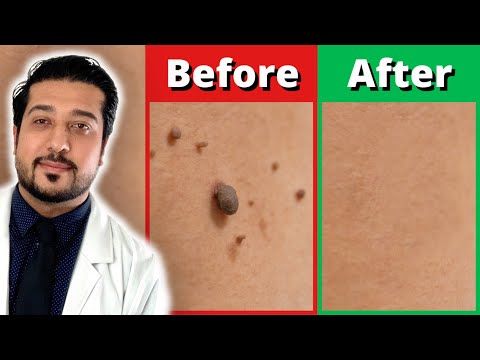
Finding a skin tag on your body can be unsettling, even though these growths are usually harmless. Many people seek home remedies for skin tag removal to avoid expensive procedures or clinic visits. Safe removal involves gentle techniques that prevent skin irritation and infection. Natural treatments such as tea tree oil, apple cider vinegar, and vitamin E are widely used and effective when applied consistently. This article explains everything you need to know about identifying skin tags, applying remedies safely, and preventing future growth. By following these methods, you can remove skin tags at home with minimal risk and achieve smooth, clear skin naturally.
Skin tags are small, soft, benign growths that appear on the skin. They are usually harmless, but many people find them unsightly or irritating. Skin tags commonly develop in areas where skin folds or rubs together, such as the neck, underarms, eyelids, and groin. While they are painless, they can become inflamed if irritated by clothing or jewelry. Understanding how to remove skin tags at home safely is important to prevent skin irritation, infection, and scarring. This article explains effective home remedies, natural treatments, step-by-step removal methods, and preventive tips to ensure skin tags are managed safely without professional intervention.
What Are Skin Tags?
Skin tags, also called acrochordons, are harmless skin growths. They are small, soft, and often flesh-colored. The formation of skin tags is linked to factors such as genetics, age, obesity, hormonal changes, and friction in skin folds. Though benign, they can cause discomfort or embarrassment. Skin tags can range from a few millimeters to over a centimeter in size. While they are medically harmless, understanding their causes is crucial before attempting any home removal. Skin tags are more common in people with diabetes, obesity, or metabolic syndrome, making preventive measures especially important for these groups.
Precautions Before Removing Skin Tags at Home
Removing skin tags at home is possible, but safety is crucial. Avoid attempting removal if the growth is unusually large, changes color, bleeds, or causes pain. These could be signs of more serious conditions. Always wash hands and disinfect tools such as tweezers or scissors before touching skin tags. Avoid aggressive scraping or cutting, which can cause skin irritation, bleeding, or infection. Home remedies and natural treatments are safer alternatives. Sensitive areas like eyelids or groin require extra caution. Maintaining cleanliness, hygiene, and using gentle methods ensures the skin heals properly without long-term damage.
Home Remedies for Skin Tag Removal
Several natural remedies help remove skin tags safely over time. Each method varies in effectiveness, safety, and duration. Apple cider vinegar, tea tree oil, garlic, and vitamin E oil are commonly used. Apple cider vinegar works by gradually drying out the skin tag, while tea tree oil has antimicrobial properties that help shrink growths. Garlic contains enzymes that can break down skin tag tissue. Vitamin E nourishes the skin while promoting healing. Using these remedies consistently can remove skin tags naturally without harsh chemicals or medical interventions. Patience is key, as natural methods may take weeks to show results.
Comparison Table of Home Remedies
| Method | Effectiveness | Safety | Time to Work |
| Apple Cider Vinegar | Medium | High | 1–4 weeks |
| Tea Tree Oil | Medium | High | 2–6 weeks |
| Garlic | Low | Medium | 2–4 weeks |
| Vitamin E Oil | Low | High | 3–6 weeks |
This table shows the balance between safety and effectiveness. Home remedies are gentle but slower than medical treatments. They are ideal for small skin tags, while larger or persistent tags may require professional removal.
Natural Methods vs. Medical Treatments
Home remedies are gentle and affordable but require patience. Medical treatments provide faster and more reliable results. Cryotherapy involves freezing the skin tag with liquid nitrogen. It is effective but may need multiple sessions. Ligation cuts off blood supply to the tag by tying it at the base, which can cause minor discomfort but is usually safe. Excision involves surgically removing the tag under sterile conditions. Home remedies are safer for small tags, while medical options are better for large, persistent, or sensitive-area tags. Combining preventive care with treatment ensures long-term success.
Step-by-Step Guide for Safe Removal
Apple Cider Vinegar Method
Clean the skin area thoroughly, soak a cotton ball in apple cider vinegar, and apply it to the skin tag. Cover with a bandage and leave for 15–20 minutes. Rinse and repeat daily for 1–4 weeks until the tag naturally falls off. Patience is crucial, and avoiding irritation ensures the skin heals properly.
Tea Tree Oil Method
Wash and dry the affected area. Apply 2–3 drops of tea tree oil to the tag and cover with a bandage. Leave overnight and repeat daily for 2–6 weeks. Tea tree oil gradually shrinks the tag while keeping the skin safe from infection and irritation.
Garlic Method
Crush a garlic clove into a paste and apply it directly to the skin tag. Cover with a bandage overnight and rinse in the morning. Repeat nightly for 2–4 weeks. Garlic works by breaking down the tissue of the skin tag, allowing it to fall off naturally over time.
Tips to Prevent Skin Tags
Preventing skin tags focuses on reducing friction and keeping the skin healthy. Maintaining a healthy weight reduces skin folds, which are common sites for skin tags. Wearing loose, breathable clothing prevents rubbing. Keeping skin clean and dry minimizes irritation and infection risk. Using gentle skincare products and avoiding harsh chemicals helps maintain healthy skin. Regular monitoring of skin growths allows early detection and management. Preventive habits are particularly important for people with diabetes, obesity, or a family history of skin tags.
Common Mistakes to Avoid
Cutting or peeling skin tags forcefully can cause bleeding, infection, and scarring. Ignoring redness, swelling, or pus can lead to serious complications. Using harsh chemicals on sensitive areas like eyelids or groin may cause burns or skin irritation. Removing large or suspicious growths at home without medical guidance is dangerous. Following step-by-step natural remedies, being consistent, and exercising patience ensures safe and effective removal. Avoiding these mistakes protects the skin and prevents long-term damage.

FAQs
Time Required to Remove Skin Tags
Home remedies vary in duration. Apple cider vinegar may take 1–4 weeks, tea tree oil 2–6 weeks, and garlic 2–4 weeks. Gradual treatment ensures safety and reduces skin irritation.
Effects on Sensitive Skin
Sensitive areas require gentle methods. Oils and mild acids soften skin tags without causing discomfort. Avoid aggressive tools or harsh chemicals.
When to Seek Medical Help
Large, painful, changing, or bleeding skin tags should be examined by a dermatologist. Professional removal prevents infection and ensures complete treatment.
Natural Softeners
Oils and mild acids gradually soften skin tags while nourishing the skin. Coconut oil, olive oil, and vinegar are effective for safe removal.
Allergic Reactions
Rarely, some people may experience redness, swelling, or itching from home remedies. Discontinue use and consult a doctor if symptoms persist.
Tips to Remove Skin Tags at Home Safely and Effectively
Skin tags are small, harmless growths that can appear anywhere on the body, especially in areas where skin folds or experiences friction. They are generally not dangerous, but they can be unsightly or irritating, particularly if rubbed by clothing or jewelry. Many people look for ways to remove skin tags at home safely without causing skin irritation, infection, or scarring. While professional treatment is sometimes necessary, there are several natural methods and preventive strategies that can help reduce or remove skin tags gradually. Patience, hygiene, and consistency are key to successful home removal.
Understanding Skin Tags Before Removal
Skin tags, medically known as acrochordons, form due to factors like genetics, age, hormonal changes, and friction in skin folds. People who are overweight or have diabetes are more likely to develop skin tags. While they are benign, knowing how to handle them properly is important. Improper removal, like cutting or pulling, can lead to bleeding, infection, or scarring. Home remedies and natural methods are generally safer and gentler, allowing the skin to heal as the tag gradually shrinks or falls off. Monitoring skin tags for changes in color, size, or shape is also crucial, as unusual growths may require professional attention.
Essential Tips for Safe Removal
Safety is the most important factor when attempting to remove skin tags at home. First, always clean the affected area thoroughly with mild soap and water before applying any remedy. Washing your hands and sterilizing any tools, like tweezers or scissors, reduces the risk of infection. Avoid forceful removal, as tearing a skin tag can cause pain, bleeding, or infection. Instead, choose gentle, natural methods that gradually weaken the tag until it falls off. Being consistent with treatment and following safe practices ensures effective results without damaging the surrounding skin.
Effective Home Remedies
Several natural remedies can help remove skin tags safely at home.
Apple Cider Vinegar (ACV) is widely used due to its acidity, which gradually dries out skin tags. Soak a cotton ball in ACV, apply it to the tag, and cover it with a bandage for 15–20 minutes. Repeat this daily for 1–4 weeks until the tag naturally falls off.
Tea Tree Oil is another effective option, known for its antimicrobial and healing properties. Applying a few drops to the tag daily can shrink it over time. Covering the area with a bandage overnight ensures maximum absorption.
Garlic contains enzymes that help break down the tissue of skin tags. Applying crushed garlic to the tag and leaving it under a bandage overnight for 2–4 weeks can gradually remove the growth.
Vitamin E Oil supports skin healing and can reduce irritation while nourishing the surrounding area. Daily application can soften skin tags, helping them fall off naturally over time.
Consistency is vital for all natural remedies. Unlike medical procedures, these methods take several weeks but are gentle on the skin and reduce the risk of infection.
Tips for Sensitive Areas
Skin tags on sensitive areas like eyelids, neck, or underarms require extra caution. Avoid using harsh chemicals or sharp tools in these areas, as the skin is delicate. Gentle remedies, like tea tree oil or vitamin E, are safer and reduce the risk of skin irritation. Always monitor the area for redness, swelling, or pain. If a skin tag in a sensitive area does not respond to home treatments or shows signs of infection, consult a dermatologist to prevent complications.
Hygiene and Aftercare
Proper hygiene is essential when treating skin tags at home. Wash your hands before touching the area and keep it clean and dry. After applying remedies, rinse the area gently and apply a nourishing oil to prevent irritation. Avoid tight clothing that rubs against the treated area, as friction can slow healing. Monitoring the skin during treatment allows you to detect any signs of infection early and ensures safe removal of skin tags without complications.
Lifestyle Tips to Prevent Skin Tags
Preventing skin tags focuses on reducing friction and maintaining healthy skin. Maintaining a healthy weight is crucial, as extra skin folds can increase the likelihood of tag formation. Wearing loose, breathable clothing reduces rubbing, while keeping the skin clean and dry minimizes irritation. Using gentle skincare products avoids harsh chemicals that can damage the skin. Regular monitoring and early treatment of new growths also help prevent them from enlarging or becoming problematic. People with a family history of skin tags, diabetes, or obesity should pay special attention to preventive measures.
Table: Home Remedies vs. Preventive Tips
| Remedy or Tip | Purpose | Safety | Duration |
| Apple Cider Vinegar | Dry out skin tags | High | 1–4 weeks |
| Tea Tree Oil | Shrink tags, antimicrobial | High | 2–6 weeks |
| Garlic | Break down tissue | Medium | 2–4 weeks |
| Vitamin E Oil | Skin nourishment, reduce irritation | High | 3–6 weeks |
| Loose Clothing | Reduce friction | High | Continuous |
| Healthy Weight | Reduce folds and tag formation | High | Continuous |
Mistakes to Avoid
Many people make mistakes when attempting home removal. Cutting, peeling, or pulling skin tags can lead to bleeding, infection, or scarring. Ignoring redness, swelling, or pus may cause serious infections. Avoid harsh chemicals and always use gentle remedies. Removing large or suspicious growths without medical guidance is unsafe. Following step-by-step natural remedies and being consistent ensures safe removal while minimizing risk.
When to Seek Professional Help
Home remedies are best for small, benign skin tags. Large, painful, bleeding, or rapidly changing growths require professional evaluation. Dermatologists can remove skin tags safely using cryotherapy, ligation, or excision. Seeking help ensures minimal scarring, prevents infection, and addresses unusual growths that may indicate more serious conditions.
Conclusion
Removing skin tags at home can be safe and effective when done properly. Natural remedies like apple cider vinegar, tea tree oil, and garlic provide gentle treatment options. Medical treatments are faster and more reliable for stubborn or large tags. Preventive measures, including reducing friction, maintaining healthy skin, and careful monitoring, help avoid future skin tags. Patience, consistency, and safety are key to successful home removal without causing skin irritation or infection. Always consult a dermatologist if a growth changes appearance, grows quickly, or shows signs of infection to ensure optimal skin health.
Affiliate disclosure: Some buttons may lead to official product pages. We may earn a commission if you buy through those links, at no extra cost to you. Content is informational and not medical advice.