High Blood Sugar Symptoms
TweetSharePin13Share13 SharesHigh blood sugar, also known as hyperglycemia, occurs when the body cannot properly regulate blood glucose levels. This condition often affects people with diabetes but can also…


High blood sugar, also known as hyperglycemia, occurs when the body cannot properly regulate blood glucose levels. This condition often affects people with diabetes but can also happen due to stress, poor diet, illness, or certain medications. Recognizing high blood sugar symptoms early is crucial because prolonged elevated glucose can damage the heart, kidneys, nerves, and eyes. Common signs include increased thirst, frequent urination, fatigue, blurred vision, and headaches. Monitoring your blood glucose levels regularly allows you to take early action and prevent complications. Understanding the causes, symptoms, and management of high blood sugar empowers you to maintain better health and energy.
What is High Blood Sugar (Hyperglycemia)?
High blood sugar occurs when the body fails to maintain normal blood glucose levels. Glucose is the main energy source for the body, and insulin is the hormone responsible for helping cells absorb sugar. When insulin is insufficient or ineffective, sugar accumulates in the bloodstream, leading to hyperglycemia. For most adults, a normal fasting glucose is between 70–99 mg/dL, and post-meal glucose should stay below 140 mg/dL. High blood sugar is typically defined as fasting glucose above 125 mg/dL or post-meal glucose exceeding 180 mg/dL. Persistent hyperglycemia can cause long-term damage to blood vessels, nerves, and organs.
Common Symptoms of High Blood Sugar
Symptoms of high blood sugar vary depending on severity and duration. Early signs include excessive thirst, frequent urination, fatigue, blurred vision, and headaches. Some people may notice dry mouth, slow-healing cuts, recurrent infections, or tingling in hands and feet. Severe hyperglycemia can cause nausea, vomiting, abdominal pain, and confusion. Recognizing these symptoms early is vital to prevent serious complications. For example, frequent urination and unusual thirst are often the first indicators of rising blood glucose levels. Individuals who consistently notice these signs should monitor their glucose and consult a healthcare professional promptly.
Fact: Chronic hyperglycemia can remain unnoticed for years, which is why regular blood sugar monitoring is essential for everyone, especially people with risk factors for diabetes.
Causes of High Blood Sugar
Several factors can cause elevated blood glucose levels. Diabetes, both type 1 and type 2, is the most common cause. Eating foods high in sugar or refined carbohydrates can trigger sudden spikes, while physical inactivity reduces the body’s ability to process glucose. Stress releases cortisol, which raises sugar levels temporarily. Illness, infections, and certain medications, such as steroids, can also elevate blood sugar. Hormonal changes during pregnancy may lead to gestational diabetes, which increases glucose in the blood. Understanding the underlying cause helps in selecting the right strategies to manage hyperglycemia.
Complications of Untreated High Blood Sugar
Persistent high blood sugar can damage various organs. Blood vessel damage can lead to heart disease, kidney disease, and vision problems such as diabetic retinopathy. Nerve damage, or neuropathy, can result in tingling, pain, or numbness in the extremities. Chronic hyperglycemia can also impair wound healing and increase infection risk. Mental health can be affected as elevated glucose levels may cause fatigue, irritability, and cognitive issues. The risk of long-term complications emphasizes the importance of identifying high blood sugar symptoms early and taking corrective action to maintain blood glucose levels within a healthy range.
How to Monitor High Blood Sugar
Monitoring blood glucose levels is crucial for preventing complications. Home glucometers provide immediate readings, while continuous glucose monitors track trends over time. Laboratory tests like fasting plasma glucose (FPG), oral glucose tolerance tests (OGTT), and HbA1c tests offer long-term insights into glucose control. Keeping a record of readings helps identify patterns and triggers. For instance, frequent post-meal spikes may indicate dietary adjustments are necessary, while consistently high fasting glucose may point to hormonal or insulin-related issues. Regular monitoring empowers individuals to take proactive steps for stable blood sugar.
Lifestyle Tips to Manage Blood Sugar
Maintaining normal blood glucose levels requires a combination of healthy habits. Eating balanced meals with complex carbohydrates, fiber, and protein helps prevent sudden spikes. For example, breakfast with oats, nuts, and fruits or lunch with lean protein and vegetables stabilizes glucose. Physical activity, such as walking, yoga, or strength exercises, improves insulin sensitivity and helps muscles use sugar efficiently. Staying hydrated supports metabolism, and managing stress through meditation or hobbies reduces cortisol-related glucose spikes. Adequate sleep is essential because poor rest impairs insulin function. Avoid sugary drinks, processed foods, and excessive carbohydrates to maintain stable blood sugar.
Case Studies and Real-Life Examples

Case Study 1: Early Detection Through Symptoms
Emily, 42, noticed frequent thirst and urination. Her fasting glucose measured 130 mg/dL, indicating high blood sugar. After consulting a doctor and adjusting her diet and exercise, her readings returned to normal in three months.
Case Study 2: Exercise Helps Control Sugar
Mark, 50, had post-meal glucose readings of 190 mg/dL. He began walking 30 minutes after meals and added light strength exercises. After four months, his postprandial glucose dropped to 145 mg/dL, and he felt more energetic.
Case Study 3: Stress and Sleep Management
Linda, 36, had fasting glucose of 120 mg/dL despite healthy eating. Stress and poor sleep were contributing factors. By practicing meditation and improving sleep routines, her fasting glucose dropped to 95 mg/dL within two months.
These examples show that consistent lifestyle changes can significantly reduce blood glucose levels and improve overall health.
High vs. Normal Blood Sugar Table
| Measurement Type | Normal Range (mg/dL) | High Blood Sugar (mg/dL) | Notes |
| Fasting | 70–99 | 126+ | Early morning before meals |
| Post-Meal | Less than 140 | 180+ | 1–2 hours after eating |
| Random | Less than 125 | 200+ | Any time of day |
| HbA1c (3-month avg) | 4–5.6% | 6.5%+ | Long-term glucose control |
When to See a Doctor
Seek medical attention if blood sugar levels exceed 250 mg/dL or if severe symptoms occur, such as nausea, vomiting, confusion, or rapid breathing. Regular checkups, especially for those with diabetes or risk factors, prevent long-term complications. Combining glucose monitoring, lifestyle adjustments, and professional guidance ensures safe blood glucose levels and overall health.
Practical Advice for Managing High Blood Sugar
Managing high blood sugar is crucial to maintaining energy, preventing complications, and improving overall health. High blood sugar, or hyperglycemia, occurs when the body cannot effectively regulate blood glucose levels. This can be due to diabetes, stress, poor diet, inactivity, illness, or hormonal changes. Left unchecked, elevated blood sugar can lead to serious complications such as kidney damage, nerve problems, heart disease, and vision issues. The good news is that by following practical strategies, most people can significantly reduce their fasting glucose and post-meal spikes, keeping their blood sugar stable.
Dietary management is the cornerstone of controlling high blood sugar. Choosing foods that are rich in fiber, protein, and healthy fats helps prevent sudden spikes in blood glucose levels. Meals should include vegetables, whole grains, lean proteins, and moderate portions of fruit. For example, starting the day with oats mixed with nuts and berries provides slow-digesting carbohydrates that maintain energy and prevent post-meal hyperglycemia. Avoiding sugary drinks, pastries, and processed snacks is critical, as these foods can dramatically increase blood glucose levels and contribute to long-term insulin resistance. Portion control is equally important, because even healthy foods can elevate blood sugar if consumed in excess. Eating smaller, frequent meals instead of large meals helps maintain steady blood glucose levels throughout the day.
Regular physical activity plays a vital role in managing high blood sugar. Exercise helps muscles use glucose more efficiently and improves insulin sensitivity. Even moderate activities, such as walking for 30 minutes after meals, cycling, swimming, or practicing yoga, can significantly reduce post-meal blood glucose spikes. Resistance training, including light weightlifting, builds muscle, which stores glucose and prevents accumulation in the bloodstream. Combining aerobic and strength exercises provides optimal results, lowering fasting glucose and improving overall metabolic health. Consistency is key—regular exercise, rather than sporadic activity, ensures long-term improvements in blood glucose regulation.
Hydration is often overlooked but critical for managing high blood sugar. Drinking sufficient water helps the kidneys flush out excess glucose, lowering the risk of complications. Dehydration can concentrate glucose in the blood, worsening hyperglycemia. People managing elevated blood sugar should aim to drink water consistently throughout the day and especially before and after meals. Avoiding sugary beverages and excessive caffeine is also important, as these can elevate blood glucose levels temporarily and interfere with proper hydration.
Stress management is another essential factor in controlling blood sugar levels. Stress triggers the release of cortisol and other hormones that can raise glucose in the blood. Daily practices such as meditation, deep breathing, mindfulness, journaling, or engaging in hobbies help reduce stress and maintain stable blood glucose levels. Studies show that individuals who consistently manage stress have lower fasting glucose and improved insulin sensitivity. Furthermore, reducing emotional stress can lead to better dietary choices, more consistent exercise, and overall improved health outcomes for those experiencing hyperglycemia.
Quality sleep significantly impacts blood sugar control. Inadequate sleep or poor sleep quality disrupts hormone balance, including insulin and cortisol, which can lead to higher fasting glucose and post-meal spikes. Adults should aim for seven to eight hours of sleep per night. Establishing a consistent bedtime, reducing screen time before sleep, and creating a relaxing nighttime routine improve sleep quality and help maintain stable blood glucose levels. Those who prioritize sleep often experience fewer fluctuations in blood sugar, improved energy, and better overall metabolic health.
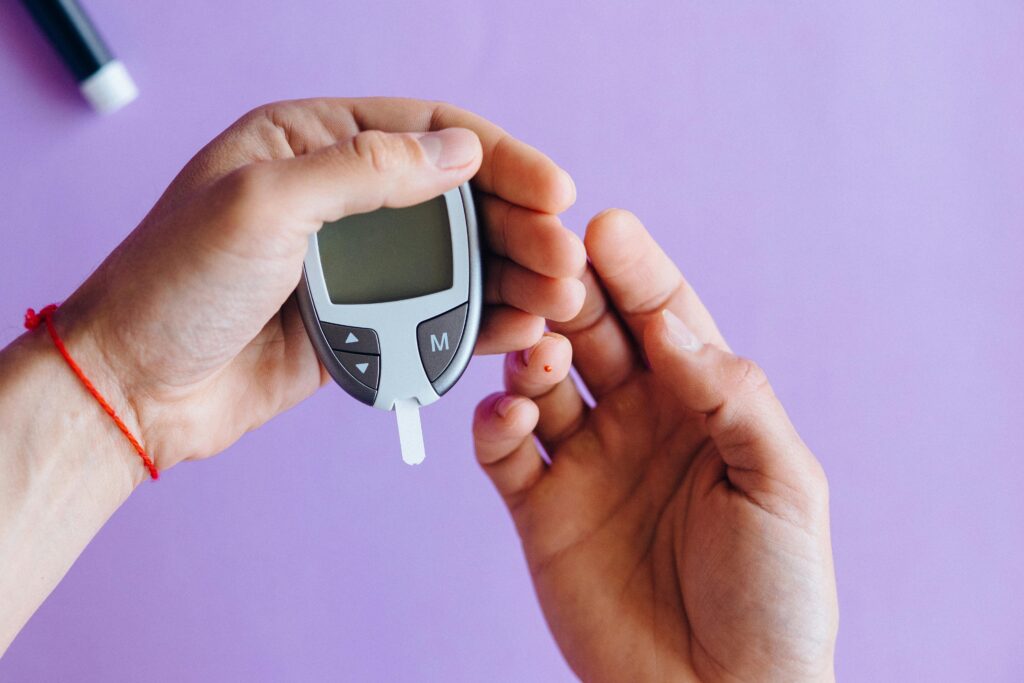
Monitoring blood glucose regularly is a practical and effective way to manage high blood sugar. Home glucometers allow individuals to check their blood glucose levels throughout the day, while continuous glucose monitors (CGMs) provide real-time insights into trends and patterns. Logging glucose readings alongside meals, exercise, sleep, and stress levels helps identify triggers for hyperglycemia. For example, noticing repeated spikes after certain foods allows for informed dietary adjustments. Long-term monitoring with HbA1c tests gives a broader view of blood glucose control over several months, helping guide lifestyle and medical decisions.
Weight management is closely linked to controlling high blood sugar. Excess body fat, especially around the abdomen, reduces insulin sensitivity and contributes to elevated blood sugar. Even modest weight loss can improve insulin function, lower fasting glucose, and reduce post-meal spikes. Combining a nutrient-rich diet, consistent exercise, stress management, and adequate sleep supports sustainable weight loss and long-term blood sugar regulation. Maintaining a healthy weight enhances energy, mental clarity, and overall metabolic health.
Consistency and lifestyle habits are the most important factors for long-term blood sugar management. Small, consistent actions like eating balanced meals, staying active, drinking water, managing stress, and sleeping well compound over time to create significant improvements in blood glucose levels. Real-life examples demonstrate that combining multiple strategies is more effective than relying on a single habit. Over time, these practices reduce the risk of complications such as heart disease, kidney damage, neuropathy, and vision loss, while improving overall quality of life for those managing hyperglycemia.
Medical guidance should complement lifestyle changes. Consulting healthcare providers or diabetes educators ensures strategies are tailored to individual needs. They can recommend medications, insulin therapy, or specific nutritional plans based on blood glucose levels and overall health. Regular follow-ups allow early detection of persistent hyperglycemia and help prevent long-term complications. Combining professional care with lifestyle modifications creates the most effective approach for controlling high blood sugar.
Finally, awareness and education are essential. Understanding the symptoms of high blood sugar, recognizing triggers, and learning how daily habits affect glucose empowers individuals to take control of their health. Being proactive allows for early action, reducing the likelihood of severe complications. Knowledge about hyperglycemia, combined with consistent monitoring and practical lifestyle strategies, ensures stable blood glucose levels and promotes long-term wellness.
Conclusion
Managing high blood sugar requires a multifaceted approach. Practical strategies include maintaining a balanced diet, exercising regularly, staying hydrated, managing stress, sleeping well, monitoring glucose, controlling weight, and seeking medical guidance. Awareness of symptoms of high blood sugar, combined with consistent lifestyle habits, allows for early action and prevention of serious complications. Real-life examples and studies show that small, daily changes create lasting improvements in blood glucose levels, energy, and overall health. Staying consistent, informed, and proactive is the key to effective blood sugar management and long-term wellness.
High Blood Sugar Symptoms and Management
What are the common symptoms of high blood sugar?
Common high blood sugar symptoms include excessive thirst, frequent urination, fatigue, blurred vision, headaches, dry mouth, slow-healing wounds, and tingling in the hands or feet. Persistent hyperglycemia can also lead to infections and increased appetite. Recognizing these signs early allows for prompt management of blood glucose levels and reduces the risk of long-term complications.
What causes high blood sugar?
High blood sugar, or hyperglycemia, often occurs due to diabetes, either type 1 or type 2. Other causes include eating foods high in sugar or refined carbohydrates, stress, lack of physical activity, illness, hormonal changes, and certain medications like steroids. Understanding the underlying cause is essential for effective blood sugar management.
How can I check my blood sugar at home?
You can monitor blood glucose levels using a home glucometer or a continuous glucose monitor (CGM). Glucometers provide immediate readings, while CGMs track trends over time. Keeping a log of readings alongside meals, exercise, stress, and sleep helps identify triggers for high blood sugar.
What lifestyle changes help manage high blood sugar?
Practical lifestyle changes include eating balanced meals rich in fiber and protein, staying physically active, drinking enough water, managing stress, getting adequate sleep, and maintaining a healthy weight. These habits help stabilize fasting glucose and post-meal blood sugar, improving overall blood glucose regulation.
When should I see a doctor for high blood sugar?
Seek medical advice if fasting glucose is consistently elevated, post-meal readings remain high, or if you experience severe symptoms such as nausea, vomiting, confusion, or rapid breathing. Regular medical check-ups help prevent serious complications like kidney damage, heart disease, and nerve problems.
Can exercise really lower high blood sugar?
Yes, physical activity improves insulin sensitivity, helping muscles use glucose more effectively. Activities such as walking, cycling, swimming, yoga, or strength training can reduce blood glucose levels, lower post-meal spikes, and support long-term hyperglycemia management.
How does stress affect blood sugar?
Stress triggers the release of hormones like cortisol, which can raise blood glucose levels. Managing stress through meditation, yoga, deep breathing, or hobbies helps prevent sudden spikes in blood sugar and supports overall blood sugar regulation.
Can dehydration worsen high blood sugar?
Yes, dehydration concentrates glucose in the blood and can worsen hyperglycemia. Drinking sufficient water throughout the day helps the kidneys flush out excess sugar and supports stable blood glucose levels.
How does sleep affect high blood sugar?
Poor or insufficient sleep disrupts insulin and cortisol balance, causing higher fasting glucose and post-meal spikes. Adults should aim for seven to eight hours of quality sleep per night to maintain healthy blood sugar and overall metabolic health.
Is it possible to reverse high blood sugar?
Some causes of high blood sugar, like diet, stress, or lack of exercise, can be improved through lifestyle changes. Chronic hyperglycemia due to diabetes may require medical intervention. Combining healthy eating, regular exercise, proper hydration, stress management, adequate sleep, and medical guidance can significantly improve blood glucose levels and reduce the risk of complications.
Affiliate disclosure: Some buttons may lead to official product pages. We may earn a commission if you buy through those links, at no extra cost to you. Content is informational and not medical advice.