
How to Remove Super Glue From Skin – Safe and Effective Methods
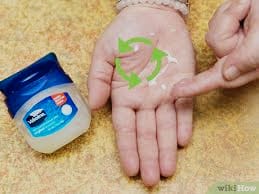
Getting super glue on skin can be frustrating and sometimes painful, especially when it sticks to fingers or nails. Improper removal can lead to skin irritation, tiny cuts, or long-lasting marks. Many people struggle with stuck fingers and do not know the safest methods for glue removal. This article explains step-by-step techniques using household items, oils, and acetone to teach you how to remove super glue from skin effectively. By following these safe practices, you can protect sensitive areas, reduce discomfort, and learn preventive tips to avoid future accidents while handling glue during crafts or repairs.
Getting super glue on skin is a common household accident. It often happens during DIY projects, crafts, or quick repairs at home. While super glue is extremely useful because it bonds fast and strongly, it can become a problem if it sticks to your fingers, hands, nails, or even face. Many people panic when this happens and try peeling or scraping it off. This can lead to skin irritation, cuts, or even scarring.
The good news is that removing super glue from skin is safe and easy if done correctly. In this guide, you’ll learn step-by-step methods, home remedies, chemical solutions, tips for sensitive areas, preventive measures, and when to seek medical help. Following these instructions ensures that you can handle stuck fingers safely and avoid injury.
Why Super Glue Sticks to Skin
Super glue, also known as cyanoacrylate, bonds almost instantly when it comes into contact with moisture. Human skin naturally contains water and oils, which triggers a chemical reaction with the adhesive. This strong bonding is why super glue is extremely effective for household repairs, but it also makes accidental skin contact tricky to manage.
Understanding how super glue reacts with skin is crucial before attempting removal. Forcefully peeling hardened glue can tear the skin and lead to skin irritation or painful injuries. The key to safe removal is softening the adhesive using proper techniques, rather than relying on scraping or cutting.
Example: Emma accidentally glued her fingers while fixing a broken toy. She tried scraping with a knife, causing small cuts and irritation. If she had used safe glue removal methods, she could have avoided injuries.
Immediate Actions to Take
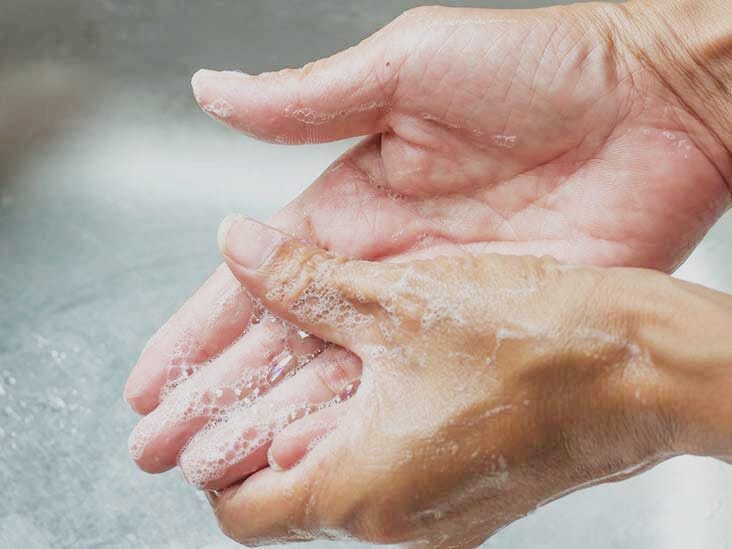
When super glue contacts skin, acting quickly but carefully is essential. First, rinse the area with warm water and mild soap. This removes loose adhesive and prevents spreading. Then, soak the skin in warm water for 5–10 minutes. Avoid scraping or peeling the glue at this stage, as it can tear the skin and cause skin irritation.
Warm water softens the glue, making subsequent removal easier. Patience is key. Gentle rubbing combined with repeated soaks often removes the adhesive without the need for chemicals.
Mini Case Study: John glued his thumb while repairing a toy. By soaking his thumb in warm, soapy water and gently rubbing, he removed the glue safely without irritation.
Safe Methods to Remove Super Glue
There are several effective methods to remove super glue. The choice depends on glue thickness, skin sensitivity, and the affected area.
1. Acetone (Nail Polish Remover)
Acetone is highly effective at dissolving cyanoacrylate. To use:
- Soak a cotton ball in acetone.
- Press it on the glued area for 1–2 minutes.
- Rub gently in circular motions to loosen the glue.
- Wash with warm water and soap afterward.
Safety Tips:
- Avoid acetone on cuts, lips, or eyes.
- Use sparingly on sensitive skin.
- Work in a ventilated area.
Example: Lisa glued her fingers together during a craft project. Acetone removed the glue in under 5 minutes without pain or irritation.
2. Oils (Olive, Coconut, or Vegetable Oil)
Natural oils help soften glue gradually while moisturizing the skin. Apply oil generously, wait a few minutes, and rub gently.
Benefits:
- Safe for sensitive skin areas.
- Reduces dryness.
- Works well on fingers, nails, and lips.
Tip: Combine oil with a warm water soak for faster results. Oils penetrate the glue, making removal easier without harsh chemicals.
3. Warm Soapy Water
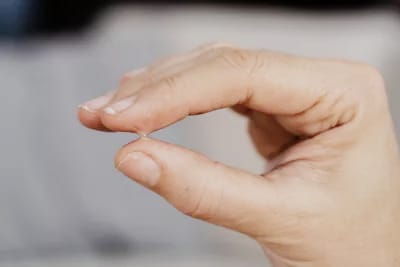
Soaking the affected skin in warm, soapy water for 10–15 minutes is one of the safest methods. After soaking, gently rub the glue off using your fingers. This technique is particularly effective for children or sensitive skin. Repeating the soak may be necessary for stubborn glue.
4. Natural Acids (Lemon Juice or Vinegar)
Mild acids like lemon juice or vinegar can gradually break down glue. Apply a small amount to the skin, wait 5–10 minutes, then rub gently. This method is safe for sensitive skin but should not be used on open cuts, as the acid can sting.
Comparison Table of Glue Removal Methods
| Method | Effectiveness | Safety | Best For |
| Acetone | High | Medium | Hands, nails |
| Olive/Coconut Oil | Medium | High | Sensitive skin, children |
| Warm Soapy Water | Medium | High | Children, delicate skin |
| Lemon Juice/Vinegar | Medium | Medium | Gentle removal, lips, face |
Tips for Sensitive Areas
Some areas of the body require extra caution:
- Fingers and Nails: Soak in warm water, then use oil or acetone carefully.
- Face, Lips, Eyelids: Avoid acetone; stick to oils or mild acids. Apply gently.
- Children: Use warm water or oils only; avoid chemicals.
Tip: Prevent future accidents by applying petroleum jelly to sensitive skin before using glue.
Common Mistakes to Avoid
- Peeling or Scraping Glue: This can tear skin and cause bleeding.
- Using Harsh Chemicals: Avoid bleach, strong acids, or abrasive cleaners.
- Rushing the Process: Patience ensures safe removal and prevents skin irritation.
Preventive Tips
- Wear disposable gloves during projects.
- Apply petroleum jelly on fingers before handling glue.
- Use small amounts of glue in a well-lit area.
- Handle glue bottles carefully to avoid spills.
| Technique | Purpose | Notes |
| Gloves | Protect hands | Nitrile or latex |
| Petroleum Jelly | Prevents adhesion | Thin layer before project |
| Careful Handling | Reduce accidents | Small glue drops only |
When to Seek Medical Help
Seek professional help if:
- Glue covers large or sensitive areas.
- Severe redness, swelling, or blisters occur.
- Allergic reactions appear.
- Home removal attempts fail.
Doctors can safely remove glue and treat skin irritation or injuries. Never attempt removal from eyes or lips without professional assistance.
Fun Facts About Super Glue
- Invented in 1942 by Dr. Harry Coover.
- Originally rejected for being “too sticky.”
- Used in DIY projects, repairs, and even medical procedures.
- Minor glue accidents are common but manageable with proper techniques.
Step-by-Step Guide for Fastest Removal
- Wash the area with warm water and soap.
- Soak in warm, soapy water for 10–15 minutes.
- Apply oil or acetone, depending on skin sensitivity.
- Rub gently in circular motions to loosen the glue.
- Wash thoroughly and moisturize after removal.
Pro Tip: Repeat steps if glue is stubborn. Avoid rushing or scraping.
Moisturize and Care for Skin
After glue removal, moisturize the skin using petroleum jelly, coconut oil, or a gentle hand cream. This restores hydration and prevents dryness, redness, or skin irritation caused by glue removal.
Additional Tips and Tricks
- For stuck fingers, gently wiggle them after soaking.
- Avoid prolonged acetone use; it can dry the skin.
- For large glue patches, combine warm soaks and oil treatments.
- Keep glue away from sensitive areas to prevent future accidents.
Conclusion
Removing super glue from skin doesn’t have to be stressful. Using warm water, oils, acetone, or natural acids, you can safely loosen the adhesive without causing skin irritation. Always avoid peeling or scraping, especially on sensitive areas. Protect your skin with gloves or petroleum jelly during projects and moisturize afterward. Patience and proper techniques make glue accidents manageable and keep your skin healthy. By following these methods, you can handle stuck fingers, tough glue accidents, and everyday mishaps safely at home.
How to Remove Super Glue From Skin – Safe and Effective Methods
Getting super glue on skin is a common household accident. It often happens during DIY projects, crafts, or quick repairs. While super glue bonds extremely fast, it can become a problem if it sticks to your fingers, hands, nails, or face. Many people panic and try peeling or scraping it off, which can lead to skin irritation, cuts, or even scarring.
This guide will show you how to safely and effectively remove super glue from your skin. You’ll learn step-by-step methods, home remedies, chemical solutions, tips for sensitive areas, prevention techniques, and when to seek medical help. By following these instructions, you can handle stuck fingers safely and avoid injury.
Image Placeholder
Why Super Glue Sticks to Skin
Super glue, or cyanoacrylate, bonds instantly when it comes into contact with moisture. Human skin naturally contains water and oils, which trigger a chemical reaction with the glue. This strong bond makes accidental skin contact tricky to manage.
Forcefully peeling hardened glue can tear the skin and cause skin irritation. The key is to soften the adhesive using safe methods rather than scraping.
Mini Example: Emma glued her fingers while fixing a toy. She scraped it with a knife, causing cuts. Using safe removal methods would have avoided injuries.
Immediate Steps to Take
When glue touches your skin, act calmly. Rinse the area with warm water and mild soap. Then soak the skin for 5–10 minutes to soften the adhesive. Avoid peeling at this stage to prevent skin irritation.
Tip: Gentle rubbing combined with repeated soaks usually removes the glue without chemicals.
Safe Methods to Remove Super Glue
1. Acetone (Nail Polish Remover)
Acetone dissolves cyanoacrylate effectively. Apply acetone using a cotton ball for 1–2 minutes, then rub gently. Wash afterward with soap and water.
Safety Tips:
- Avoid cuts, eyes, or lips.
- Use sparingly on sensitive skin.
- Ventilate the area.
2. Oils (Olive, Coconut, Vegetable)
Natural oils soften glue and moisturize skin. Massage oil on the affected area for a few minutes, then rub gently. Combine with warm water soak for faster removal.
3. Warm Soapy Water
Soak skin in warm, soapy water for 10–15 minutes. Rub gently with fingers. This is safe for children and sensitive skin. Repeat if needed.
4. Natural Acids (Lemon Juice or Vinegar)
Apply lemon juice or vinegar to break down glue. Wait 5–10 minutes, then rub gently. Safe for sensitive skin but avoid open cuts.
Comparison Table of Glue Removal Methods
| Method | Effectiveness | Safety | Best For |
| Acetone | High | Medium | Hands, nails |
| Olive/Coconut Oil | Medium | High | Sensitive skin, children |
| Warm Soapy Water | Medium | High | Children, delicate skin |
| Lemon Juice/Vinegar | Medium | Medium | Lips, face, gentle removal |
Tips for Sensitive Areas
- Fingers and Nails: Soak first, then use oil or acetone carefully.
- Face, Lips, Eyelids: Avoid acetone; use oils or mild acids.
- Children: Stick to warm water or oils only.
Tip: Protect skin with petroleum jelly before using glue.
Common Mistakes to Avoid
- Peeling or scraping glue – tears skin.
- Using harsh chemicals – avoid bleach or strong acids.
- Rushing removal – patience prevents skin irritation.
Preventive Tips
- Wear disposable gloves.
- Apply petroleum jelly to fingers before handling glue.
- Work in a well-lit area with small glue amounts.
| Technique | Purpose | Notes |
| Gloves | Protect hands | Nitrile or latex |
| Petroleum Jelly | Prevents adhesion | Apply thin layer |
| Careful Handling | Reduce accidents | Small glue drops only |
When to Seek Medical Help
Seek professional help if:
- Glue covers large or sensitive areas.
- Severe redness, swelling, or blisters occur.
- Allergic reactions appear.
- Home removal fails.
Doctors can safely remove glue and treat skin irritation. Avoid DIY removal from eyes or lips.
Step-by-Step Removal Guide
- Wash area with warm water and soap.
- Soak in warm, soapy water for 10–15 minutes.
- Apply oil or acetone, depending on sensitivity.
- Rub gently in circular motions.
- Wash and moisturize afterward.
Tip: Repeat if stubborn glue remains. Avoid scraping.
Moisturize and Care for Skin
After glue removal, apply petroleum jelly, coconut oil, or a gentle moisturizer. This restores hydration and prevents skin irritation.
Additional Tips and Tricks
- Wiggle fingers gently after soaking for stuck fingers.
- Avoid prolonged acetone exposure to prevent dryness.
- For large glue patches, combine soaking and oil treatments.
- Keep glue away from sensitive skin.
Fun Facts About Super Glue
- Invented in 1942 by Dr. Harry Coover.
- Originally rejected for being “too sticky.”
- Used in DIY projects, repairs, and medical procedures.
- Minor glue accidents are common but manageable.
FAQ Section
Q1: How long does it take to remove super glue from skin?
It depends on glue thickness. Using acetone or oils can remove it within minutes. Soaking in warm water may take longer.
Q2: Is super glue toxic to skin?
Super glue is generally non-toxic but can cause skin irritation if mishandled.
Q3: Can I use acetone on my face?
No. Acetone is too harsh. Stick to oils, vinegar, or lemon juice.
Q4: How to prevent glue on hands?
Wear gloves, apply petroleum jelly to skin, and use small glue amounts in well-lit areas.
Q5: What to do if glue covers large skin areas?
Seek professional medical help for safe removal.
Call-to-Action
If you found these tips helpful, share this guide with friends who enjoy crafts or DIY projects. Protect your skin and stay safe while using super glue. Bookmark this page for reference in case of future accidents.
Safe Methods for Sensitive Areas
For delicate areas such as lips, face, or eyelids, avoid acetone. Gentle options like coconut oil, olive oil, or lemon juice soften glue without causing damage or skin irritation.
Handling Large Glue Areas
When glue covers a large area of skin, it’s best to seek professional help. Attempting removal alone can worsen irritation or cause accidental cuts, especially on sensitive or thin skin.
Prevention Tips
Wearing gloves, applying a thin layer of petroleum jelly, and using small amounts of glue reduce the risk of stuck fingers. Careful handling makes cleanup easier and prevents accidents.
Natural Softeners
Oils and mild acids gradually loosen glue while keeping skin moisturized. Coconut oil, olive oil, or vinegar can be applied and left for a few minutes before gently rubbing to remove residue.
Allergic Reactions
Rarely, super glue may cause allergic reactions such as redness, swelling, or itching. If any unusual symptoms appear, seek medical advice immediately to avoid complications.