
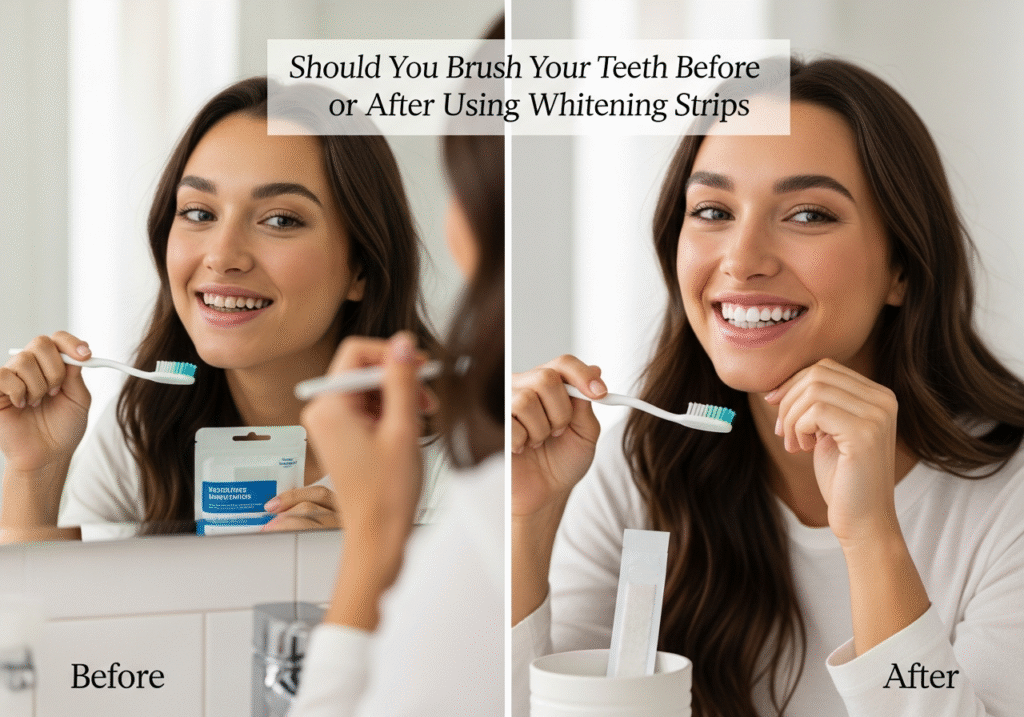
When using whitening strips, many people wonder whether they should brush their teeth before or after application to achieve the best results. Proper timing can affect how well the whitening gel works and help prevent sensitivity or gum irritation. Brushing beforehand removes plaque and food particles, allowing the strips to make full contact with the tooth surface. However, brushing immediately after using strips can sometimes worsen tooth sensitivity. Understanding the correct routine, including when to brush and how to maintain oral hygiene, ensures safer and more effective whitening. Knowing should you brush your teeth before or after using whitening strips helps you get a brighter smile without discomfort.
How Do Whitening Strips Work on Your Teeth?
To understand whether brushing before or after whitening is better, you must first know how whitening strips work. Most at-home teeth whitening products contain hydrogen peroxide teeth whitening or carbamide peroxide. These ingredients act as bleaching agents that lift stains from your enamel. When the peroxide gel sits on your teeth, it breaks down into oxygen molecules. These molecules then dissolve surface stains and lighten the natural color of your teeth.
The enamel and dentin layers play a key role. Enamel is the outer shell, while dentin lies underneath. The peroxide penetrates through the enamel into the dentin, where it reacts with deep stains. That’s how it removes both extrinsic stains caused by food and intrinsic stains from aging or medication. Understanding the difference between extrinsic and intrinsic staining helps you choose the right treatment plan.
| Whitening Type | Target Area | Example Causes |
| Extrinsic Stains | Surface enamel | Coffee, tea, red wine |
| Intrinsic Stains | Inside dentin | Age, genetics, fluoride |
Should You Brush Your Teeth Before Using Whitening Strips?
Yes, brushing beforehand helps with plaque removal before whitening. When your teeth are clean, the strips stick better and whiten more evenly. However, experts suggest waiting a little while before applying them. Always wait 30 minutes before applying strips after brushing. This allows the enamel’s surface to re-harden after brushing, reducing the chance of irritation.
Using a soft-bristled toothbrush and fluoride toothpaste is best. Harsh brushing can lead to gum irritation or even tooth enamel erosion. People with sensitive teeth should choose a gentle whitening kit approved by the ADA Seal of Acceptance. Following these oral hygiene habits for white teeth ensures safety and better whitening outcomes.
Should You Brush Your Teeth After Using Whitening Strips?
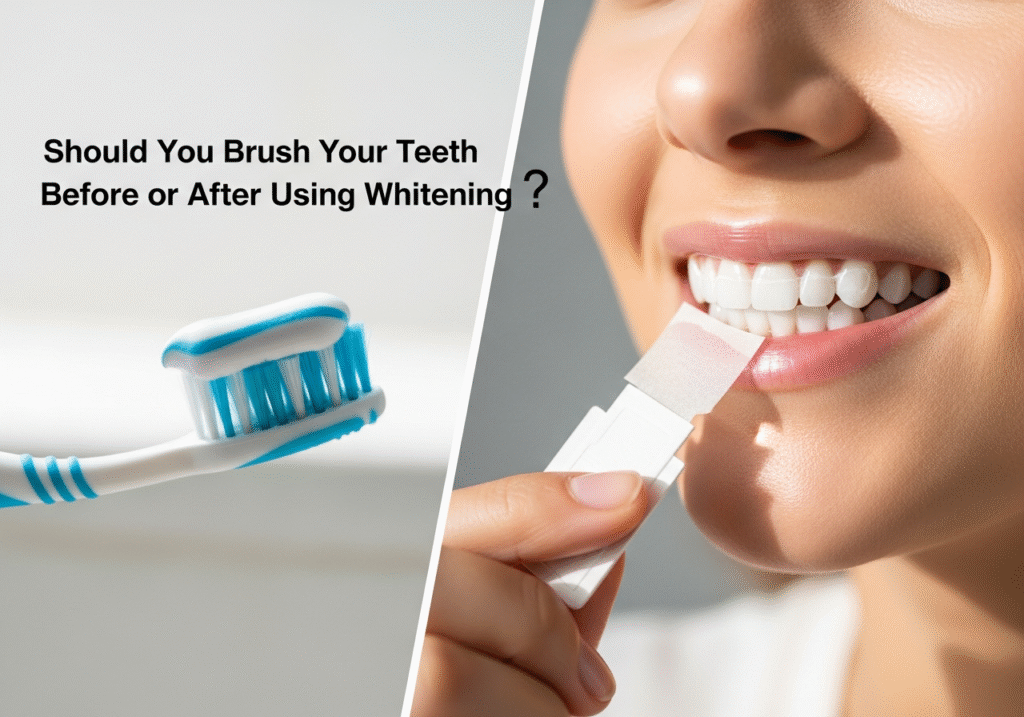
You can, but be gentle. The question “Should you brush your teeth after using whitening strips?” often comes up because peroxide can make teeth temporarily sensitive. To prevent discomfort, use a soft toothbrush after whitening treatment and wait at least half an hour before brushing. This gives the enamel time to recover and prevents gum irritation from peroxide.
Avoid brushing too hard. Instead, use slow circular motions and mild toothpaste. That’s the best way to maintain white teeth without risking tooth damage from overuse. Remember, is it safe to brush after whitening strips? Yes, as long as you do it gently and with care.
What Should You Avoid After Using Whitening Strip
After whitening, your teeth are slightly porous. This means they can quickly absorb stains. For at least 24 hours, avoid acidic foods after whitening like citrus fruits, soda, and vinegar. Also, skip foods that stain teeth such as coffee, tea, red wine, and dark berries.
If possible, avoid smoking and tobacco because nicotine stains appear faster after whitening. You can protect your new smile by sticking to water, milk, and light-colored foods. Following these post-whitening care routines helps your results last longer and keeps your smile naturally bright.
How Often Can You Use Whitening Strips Safely?
Using whitening strips too often increases the risks of hydrogen peroxide concentration exposure. Most over-the-counter whitening products recommend a whitening treatment frequency of once per day for up to two weeks. Using them longer than recommended can lead to demineralization of teeth or mild tooth enamel erosion.
Dental expert recommendations in the USA suggest using strips two to three times a year for maintenance. Those with sensitive teeth should look for the best whitening strips for sensitive teeth like Crest 3D Whitestrips or ADA-approved gentle whitening kits. These brands balance effectiveness with whitening strips safety.
Possible Side Effects of Whitening Strips
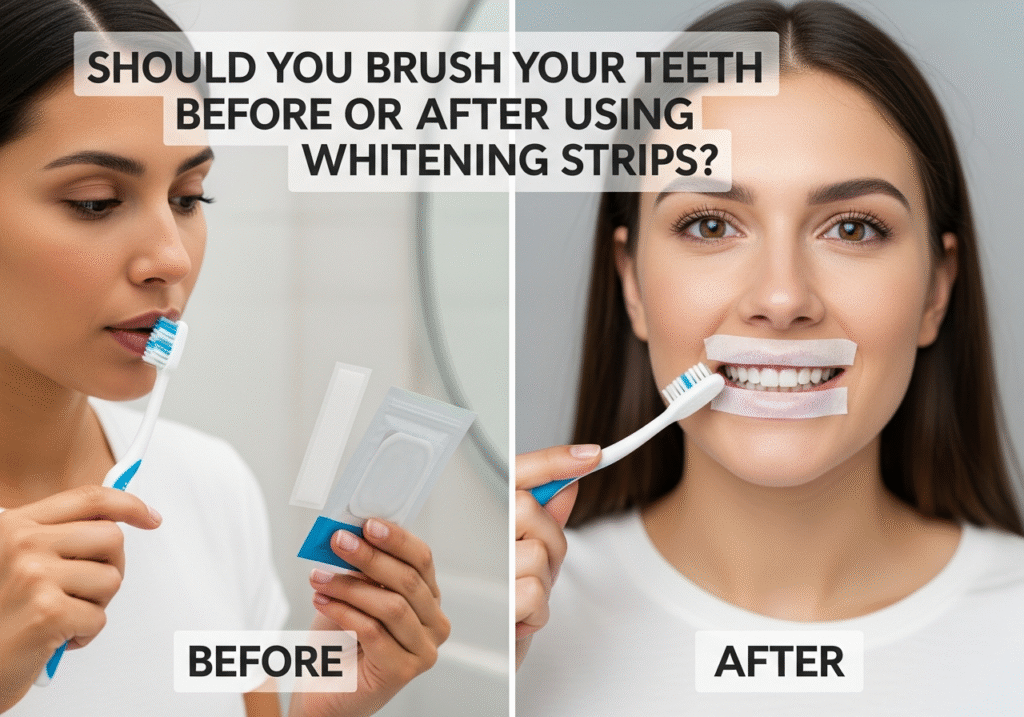
While safe for most people, whitening strips can cause tooth sensitivity after whitening. This happens when the peroxide reaches the dentin layer, triggering nerve reactions. The discomfort usually fades after a few days but can be unpleasant.
Another issue is gum irritation from peroxide. If strips touch the gums, they might cause redness or soreness. Overuse may also lead to tooth damage from overuse or even demineralization caused by peroxide exposure. Always follow directions carefully and use ADA-approved brands to minimize whitening side effects.
How to Keep Teeth White and Stain-Free
Maintaining a bright smile requires more than whitening. It starts with a consistent dental hygiene routine and oral health care tips that prevent stains. Brush twice a day, floss regularly, and schedule a dental cleaning every six months.
Limit stain-causing habits and choose whitening toothpaste for upkeep. Incorporating whitening maintenance tips like rinsing after meals or drinking water through a straw helps preserve your results. These small habits extend your whitening results duration naturally.
When to Consult a Dental Professional
You should always consult a dentist before using whitening strips if you have cavities, gum disease, or extreme sensitivity. Dentists can check for underlying tooth discoloration causes that whitening alone can’t fix. They might suggest professional dental whitening vs. at-home kits, depending on your teeth’s condition.
A dentist can also recommend ADA-approved, teeth whitening product safety and precautions suited to your needs. Their expertise ensures you achieve a whiter smile without damaging your enamel. Following a dentist recommendation for whitening keeps both your appearance and oral health in balance.
Takeaway: The Right Way to Use Whitening Strips for a Bright, Healthy Smile
To summarize, do you brush your teeth before or after whitening strips? You can do both, but timing matters. Brush first, wait 30 minutes, then apply strips. After whitening, brush gently with a soft brush and avoid acidic or staining foods for a day.
Safe use, patience, and good dental habits will reward you with lasting brightness. Combining ADA approved whitening products and regular dental cleaning ensures results that look natural and healthy. With care, your smile will stay bright, confident, and full of life.
FAQs About Whitening Strips
1. Can whitening strips damage enamel?
Not if you follow directions and limit usage. Overuse may lead to demineralization of teeth and tooth enamel erosion.
2. Are whitening strips safe for sensitive teeth?
Yes, but choose best whitening strips for sensitive teeth designed with lower peroxide levels.
3. How long do whitening results last?
With proper care and whitening maintenance tips, results can last up to six months.
4. What’s better — at-home kits or dentist whitening?
Professional dental whitening vs. at-home kits depends on your stains and sensitivity. Dentists use stronger agents for faster results.
Should I brush my teeth after using whitening strips?
It’s best to wait at least 30 minutes before brushing to avoid sensitivity.
Should I brush my teeth after using whitening strips Reddit?
Many users recommend rinsing with water and delaying brushing to protect enamel.
What to do after whitening strips?
Rinse your mouth gently, avoid eating or drinking staining foods immediately, and maintain oral hygiene.
Do you brush your teeth after whitening gel?
Avoid brushing right after; rinse and wait to prevent gum irritation or enamel wear.
Whitening strips before or after brushing teeth Reddit?
Most suggest brushing before to remove plaque, allowing better contact of the gel with teeth.
What happens if I don’t brush my teeth after whitening strips?
You may have residual gel, but it’s generally safe; avoid acidic foods for 30 minutes.
Can I eat after whitening strips?
Wait at least 30–60 minutes to prevent staining and maintain results.
Should I use whitening strips every day?
Daily use is not recommended; follow product instructions to avoid sensitivity or enamel damage.
Pingback: How Long After Teeth Whitening Can I Eat Normally