

After a tooth extraction, your mouth needs gentle care and the right nutrition to heal properly. Eating soft, easy-to-chew foods prevents irritation and protects the blood clot that forms over the extraction site. During recovery, focus on soft foods like smoothies, mashed potatoes, yogurt, and soups to stay nourished without causing pain. Avoid hard, crunchy, or spicy foods that can delay healing or lead to infection. Maintaining proper oral hygiene and hydration also supports faster recovery. Understanding what you can eat after tooth extraction helps minimize discomfort, reduce swelling, and promote smooth, healthy healing following your dental procedure
Eating the correct foods can help ease the discomfort of recovering from a tooth extraction. Following dental surgery, soft foods are crucial for preserving the healing area, easing jaw pain, and preventing problems like dry socket (alveolar osteitis). It’s critical to adhere to the recommended aftercare following tooth extractions and oral surgeries in order to preserve oral health and promote gum tissue healing. Patients frequently don’t know what to avoid, how to eat without causing gum pain, or which foods are safe. Eating the correct foods after tooth extraction helps promote healing, supply vital nutrients, and ease the discomfort of recuperation.
Inappropriate food consumption, such as hard, crunchy, or acidic foods, can exacerbate pain and delay healing. Following oral surgery, a soft diet for rehabilitation emphasizes foods that promote healing, such as mashed potatoes, smoothies, yogurt, and soft-cooked vegetables. These meals include vitamin C for gum healing and protein for tissue regeneration, and they are kind to delicate gums. Patients who adhere to a recovery meal plan following tooth extraction are guaranteed to receive the right nourishment without running the danger of infection or irritation. In order to promote the healing process and prevent issues, dental professionals, like Ottawa oral surgeons and specialists at Rockcliffe Dental & Denture Centre, advise a carefully balanced diet following surgery.
Tooth Cracked in Half No Pain
It is possible for a tooth to split in two without experiencing pain right away. This frequently happens when the nerve is not reached by the crack. Even though there might not be any pain, neglecting to treat a cracked tooth can lead to decay, infection, or more harm. Getting in touch with an oral surgeon as soon as possible guarantees appropriate treatment and helps prevent infection following extraction.
Soft foods for sore gums and easy-to-chew foods after extraction can stop further damage until therapy, even if the tooth is painless. Because bacteria might enter the crack and cause illness, it is essential to maintain good oral hygiene while recovering. Soft, non-acidic foods are advised by dental nutritionists to lessen the strain on the impacted tooth.
How long may I use a straw after getting my teeth extracted?
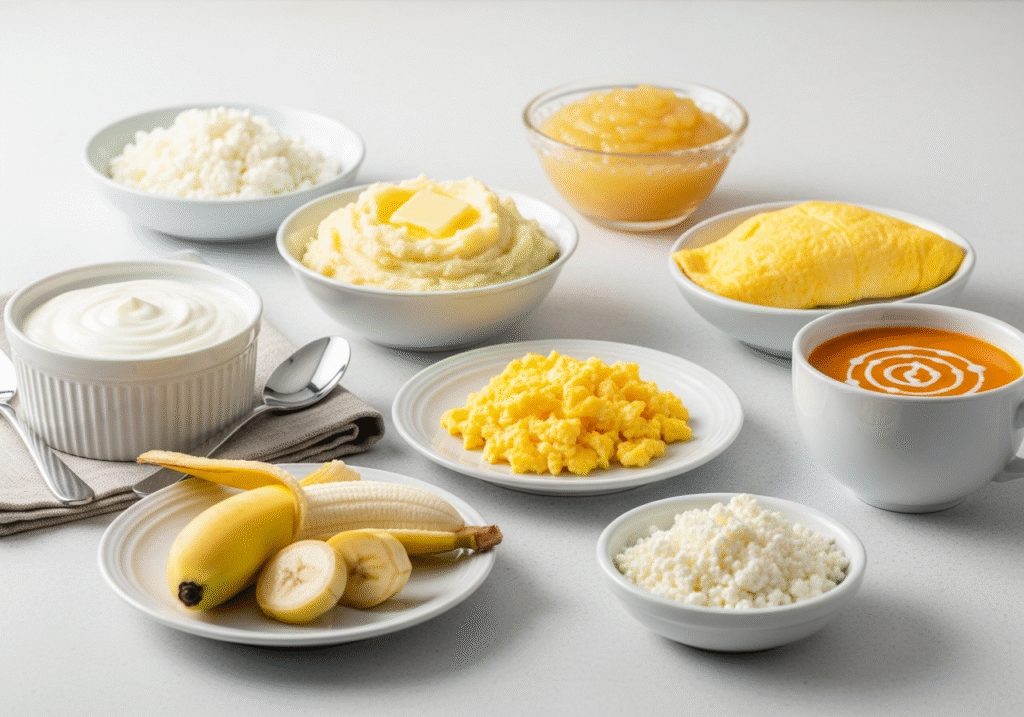
Alveolar osteitis, or dry socket, can result from using a straw too soon after a tooth extraction because it can dislodge the blood clot. For at least a week, the majority of dentists advise against using straws. This aids in the uninterrupted repair of gum tissue and is an essential component of tooth extraction aftercare.
Patients should drink beverages straight from a cup during this period. Hot beverage irritation should be avoided, but cold, lukewarm, or room temperature beverages are safe. Observing post-extraction care instructions helps maintain oral health and lowers the chance of jaw pain.
What to Eat Following Tooth Extraction
Selecting foods that are suitable for delicate gums is essential after tooth extraction. The best foods are soft foods like yogurt, smoothies, scrambled eggs, mashed potatoes, and soft-cooked pasta. These post-tooth extraction foods nourish the body without causing any harm to the healing area or causing the blood clot to move.
Protein for tissue regeneration is supported by foods high in protein, such as soft salmon, scrambled eggs, and protein drinks. Vitamin C for gum repair is enhanced by foods high in vitamin C, such as blended oranges or mashed berries. Foods that are hard, crunchy, or acidic—like chips, nuts, citrus, and carbonated drinks—should be avoided right after dental work. After having a tooth extracted, following a recovery diet plan guarantees a safe mouth healing process and lessens jaw pain.
Broken Bonded Tooth
Trauma or biting hard food might cause a fractured bonded tooth. To avoid more issues, a dentist’s advice is required even if the tooth seems to be in good condition. While awaiting repair, soft foods like mashed potatoes and yogurt assist avoid discomfort.
After extraction, eating items that are simple to chew lessens the strain on the fractured tooth. Following the aftercare guidelines for oral surgery guarantees that the healing of the surrounding gum tissue is not jeopardized. In addition to preventing infection, maintaining good oral hygiene during recuperation promotes the preservation of long-term oral health.
Any physical impact, including biting a particularly hard food, might break a bonded tooth. Since the tooth appears to be in good condition, it is best to see a dentist right away to prevent more issues. To prevent more irritation in the meantime, meals that are simple to chew, like mashed potatoes and yogurt, should be used. One issue is that the damaged tooth is under significantly less pressure when easy-to-chew foods are utilized following an extraction. Following the instructions for oral surgery afterward is therefore essential to avoid putting undue strain on the gum tissue that was used to restore the tooth. Maintaining good dental hygiene can also help prevent infections connected to fractures and promote tooth healing.
Wisdom teeth do not grow back, therefore extractions are irreversible. Complete regrowth is difficult, however in rare cases, tooth or gum tissue remnants may create minor problems. Alveolar osteitis, or dry socket, is avoided and gum tissue repair is supported by appropriate tooth extraction aftercare.
Gentle oral hygiene and the consumption of soft meals following dental surgery are crucial, even after extraction. Soft meals improve comfort, hasten healing, and lessen jaw pain. To preserve comfort and nutrition during dental procedures, foods like yogurt, mashed potatoes, and soft eggs are advised.
Canine Tooth Impact
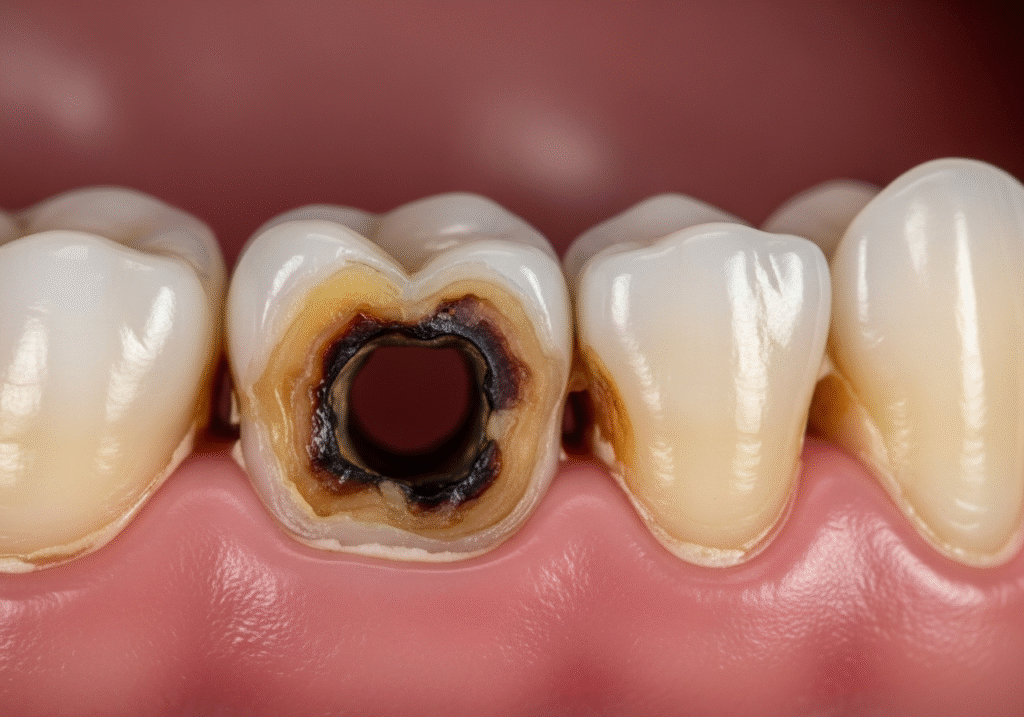
An impacted canine tooth may cause pain, edema, or misalignment. An oral surgeon is frequently needed for surgical exposure or extraction as part of treatment. Following dental surgery, a soft diet promotes gum tissue repair and lessens jaw pain.
Following oral surgery, healing foods such as mashed potatoes, smoothies, and soft-cooked vegetables offer nutrients without endangering the surgical site. To avoid difficulties, patients should stay away from crunchy or hard meals. Following surgery, dental nutrition advice aids in maintaining a balanced diet for a speedy recovery.
Soft Foods Following Dental Extraction
For comfort and healing, a soft food diet is crucial while receiving dental implants or having a tooth extracted. Yogurt, mashed potatoes, smoothies, pudding, and cooked veggies are examples of soft foods. These foods avoid disturbing the blood clot that is mending and are kind to delicate gums.
Additionally, soft foods include vitamins that promote gum tissue repair and protein-rich foods following dental surgery. Steer clear of acidic foods and beverages that can irritate the extraction site, as well as hot beverages just after dental surgery. A smooth healing process timetable depends on adhering to a dry socket prevention diet.
Periodic Tooth Pain Under the Crown
Periodic discomfort beneath a crown could be a sign of infection, deterioration, or a badly fitted crown. Seeing a dentist guarantees accurate diagnosis and care. Eating soft meals for sore gums while awaiting care eases discomfort and stops more harm.
Smoothies, yogurt, mashed potatoes, and soft-cooked eggs are among the meals that reduce tooth stress after tooth extraction. Jaw discomfort is lessened and gum tissue healing is supported when patients follow their dentist’s instructions and practice good dental care as they recuperate.
A tooth that has had a root canal hurts under pressure.
After a root canal, tooth pain could be a sign of ongoing inflammation or infection. Avoiding tooth irritation can be achieved by eating meals that are safe for sensitive gums. Soft, non-acidic foods keep the mouth comfortable while supplying nourishment.
Gum tissue recovery is maintained by adhering to oral surgery aftercare guidelines and avoiding crunchy or firm foods. Soft diets and mild cleaning are two post-extraction care strategies that lessen jaw pain and stop more issues.
Will a Tooth Be Removed in an ER?
Unless there is severe trauma, most emergency rooms do not extract teeth. They might offer antibiotics or short-term pain relief. For appropriate extraction and care, a referral to an oral surgeon is typically required.
Eating meals that are simple to chew after extraction helps to avoid further irritation while you wait for therapy. Comfort and the healing of gum tissue are guaranteed when oral surgery aftercare recommendations are followed. Recovery foods for dental procedures aid in preserving nutrition throughout this time.
For what length of time may a dead tooth remain in your mouth?
An infection, abscess, or harm to neighboring teeth may result from neglecting to treat a dead tooth. Usually, extraction or root canal therapy is advised. Aftercare after tooth extraction guarantees appropriate gum tissue repair and prevents issues.
Smoothies, yogurt, and mashed potatoes are examples of soft meals that ease painful gums during the healing process. Maintaining good oral hygiene throughout the healing process and according to dental advice promotes healing and guards against dry socket (alveolar osteitis).
How to Use Wisdom to Get Food A hole in the tooth
Following the extraction of a wisdom teeth, food frequently becomes lodged, leading to discomfort or infection. Debris can be safely removed by rinsing gently with warm salt water or by using a syringe that your dentist has provided. To avoid dry socket (alveolar osteitis), do not poke the area with sharp items.
Proper healing is ensured by eating soft meals and according to oral surgery aftercare guidelines. Throughout the healing process, gentle care promotes gum tissue healing, lessens jaw pain, and shields the blood clot.
Last-Minute Recovery & Dental Care Advice
Healing foods following oral surgery should be the main emphasis of a post-tooth extraction recovery diet plan. Foods that are soft and high in nutrients, such as cooked vegetables, yogurt, smoothies, mashed potatoes, and soft eggs, offer vital protein for tissue repair and vitamin C for gum healing. To avoid dry socket (alveolar osteitis), stay away from hot beverages, hard or crunchy foods, and acidic things.
The mouth heals safely if you practice good oral hygiene while you’re recovering, heed your dentist’s advice, and follow the aftercare guidelines for oral surgery. Following surgery, a balanced diet, regular soft meals, and adequate hydration speed up gum tissue repair and lessen jaw pain. Safe and efficient treatment is ensured for complex circumstances by speaking with Ottawa oral surgeons or the Rockcliffe Dental & Denture Centre.
What is the safest food to eat after tooth extraction?
Soft foods like yogurt, mashed potatoes, and soups are safest.
.Can I eat Maggi after tooth extraction?
Yes, only when it’s soft, lukewarm, and not spicy.
What Indian food can you eat after tooth extraction?
Soft khichdi, dal, upma, and curd rice are good options.
Is it okay if food touches tooth extraction?
No, avoid touching the extraction site to prevent irritation.
How to swallow to avoid dry socket?
Swallow gently without using a straw or creating suction.
What is the highest risk day for dry socket?
Dry socket risk peaks between the 2nd and 3rd day.
Can salt water rinse prevent dry socket?
Yes, gentle rinsing with warm salt water reduces infection risk.
What are the warning signs of a dry socket?
Severe pain, bad breath, and visible bone are key signs.
Can talking too much cause dry socket?
Excessive talking can loosen the clot, slightly increasing risk.
Will keeping gauze in prevent dry socket?
No, gauze is for bleeding control, not long-term protection.
Pingback: Why Is My Root Canal Tooth Hurting After Years