Does Ozempic Cause Hair Loss
TweetSharePin13Share13 SharesMany people today use Ozempic for weight loss, and many others use it for diabetes control. As its use grows, more users ask the same question: does…
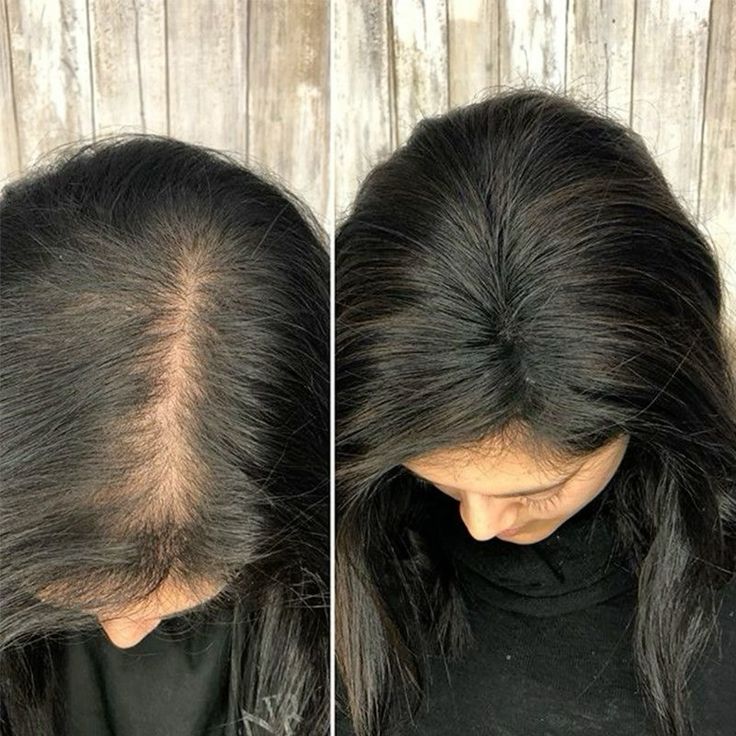
Many people today use Ozempic for weight loss, and many others use it for diabetes control. As its use grows, more users ask the same question: does Ozempic cause hair loss? This concern appears on social media, in clinics, and even in weight-loss groups. People notice more hair in their shower drain, more thinning on their scalp, and more shedding than before. The question becomes important because hair loss affects confidence and emotional wellbeing. It also worries users who want to continue the medication but fear losing their hair.
There is no official claim from clinical trials that Ozempic causes hair loss, but real users often report it. Doctors say that hair loss often happens because of rapid weight loss, low calories, or low nutrition. These things create stress in the body. The stress pushes many hairs into the resting phase. After a few months, this resting phase creates visible shedding. This kind of hair loss is called telogen effluvium. It is almost always temporary. It also usually improves when the body becomes stable again.
| Factor | Direct Effect on Hair | Typical Timeframe |
|---|---|---|
| Rapid weight loss | Puts hair in resting phase | 2 to 3 months |
| Low protein | Weakens hair growth | Immediate to 3 months |
| Low iron or vitamins | Stops new growth | 1 to 6 months |
| Body stress | Forces shedding | 2 to 4 months |
This table helps you understand how different conditions around Ozempic can influence hair health.
How Ozempic Hair Loss Happens
Ozempic itself is a GLP-1 medication. This means it mimics hormones that help regulate appetite, digestion, and blood sugar. When appetite becomes low, weight loss becomes fast. When weight loss becomes fast, the body goes into survival mode. The body focuses on essential organs, not hair. For that reason, the hair growth cycle slows down. Many hairs enter the resting phase at the same time. After a few months, the shedding becomes noticeable.
The hair cycle has three stages. The growth stage is called the anagen stage. The resting stage is called the telogen stage. The shedding stage is the shedding period that follows the telogen stage. In telogen effluvium, as many as thirty percent of hairs can enter the resting stage at once. This is why the shedding sometimes feels sudden and scary. Doctors say that this is common after major body changes such as pregnancy, surgery, illness, extreme dieting, or rapid weight loss from medications like Ozempic.
A helpful way to understand this is to look at timing. If a person begins Ozempic and loses weight quickly, the body may push hair into rest. Two to three months later, those hairs begin to fall. Many users think the medication is suddenly causing hair loss. In reality, the shedding phase actually started months earlier due to body stress.
Is Ozempic Hair Loss Caused by the Drug or by Weight Loss?
Most doctors agree that Ozempic does not directly damage hair follicles. The medication does not attack hair. It does not shrink hair follicles. It does not cause permanent baldness. Instead, the main cause appears to be weight loss. When calorie intake becomes too low, the hair does not get enough nutrients. Protein becomes low. Iron becomes low. Vitamins such as vitamin D, zinc, and B12 also become low. Hair needs all of these nutrients to grow.
When the body loses more than ten percent of its weight in a short time, hair shedding becomes extremely common. This pattern is similar to what happens after bariatric surgery. It is also similar to what happens after severe dieting. Ozempic often causes the same type of rapid weight loss. That is why many doctors call this symptom a secondary effect, not a direct medication side effect.
Case Study Example: A woman named Sara lost eighteen pounds in six weeks after starting Ozempic. She was eating small portions, skipping meals, and feeling low energy. Two months later she noticed heavy shedding. She feared she was going bald. Her doctor checked her iron and ferritin. Both were low. Her protein intake was low too. After she added protein shakes and increased calories, her shedding slowed. Within three months, her hair began to grow back.
This story shows how nutrition and weight loss patterns affect shedding far more than the medication itself.
Who Is More Likely to Get Ozempic Hair Loss
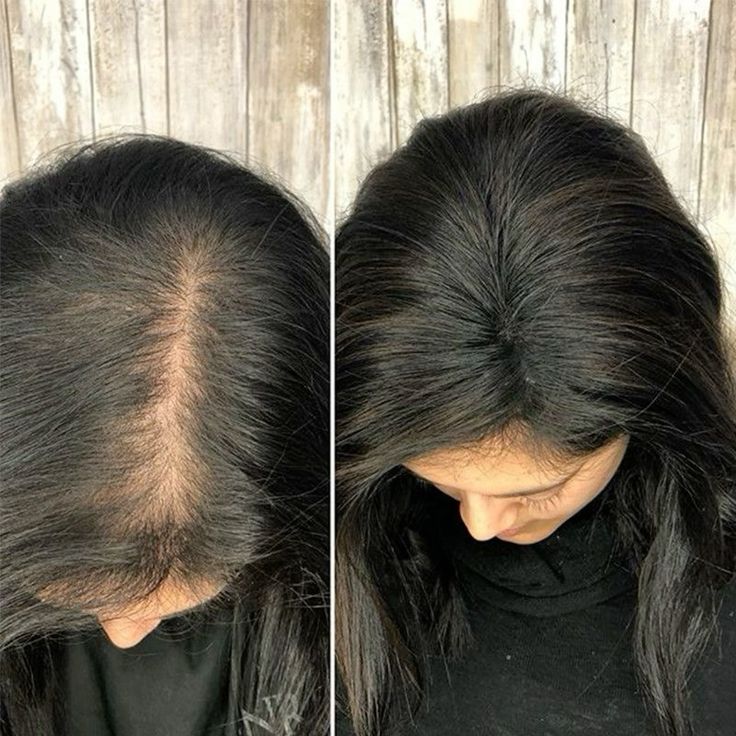
Some people have a higher chance of hair loss while taking Ozempic. People who lose weight very fast have the highest risk. People who eat very small meals also have higher risk. People who eat less than one thousand calories a day are also more likely to shed hair. When protein becomes low, hair cannot grow properly. When iron becomes low, hair cannot grow at all. When ferritin levels drop too far, hair becomes thin and breaks easily.
Women often experience more hair loss than men because their hormones affect hair cycles more. People who already have thyroid issues also have more shedding. People who have gone through stress, childbirth, illness, or surgery also have a higher chance. People who used harsh hair treatments or tight hairstyles also shed more easily.
| Risk Group | Reason for Higher Risk |
|---|---|
| Women | Hormonal sensitivity |
| Rapid weight loss users | Body stress |
| Low-calorie eaters | Low nutrients |
| Thyroid patients | Disrupted hair cycle |
| Postpartum women | Hormonal shift |
| People with low ferritin | Weak hair growth |
Understanding these risk groups helps predict who might experience shedding.
How to Reduce Ozempic Hair Loss
Preventing shedding means focusing on nutrition, protein, vitamins, and lifestyle habits. Hair uses protein as its main building block. When a person does not eat enough protein, the body takes protein away from hair. This is why increasing protein often improves shedding. Doctors often recommend at least seventy grams a day, but some people need more depending on weight. Eating eggs, chicken, fish, yogurt, lentils, beans, or protein shakes helps reach this amount.
Iron and ferritin levels also matter. Ferritin stores iron in the body. When ferritin drops, hair growth stops. Many women have low ferritin without knowing. Ferritin above forty is usually ideal for hair growth. Vitamin D, zinc, and B12 also support hair. Checking these levels through a blood test helps identify silent deficiencies. Correcting deficiencies usually reduces shedding over time.
Slowing weight loss also helps. When weight loss becomes too fast, hair enters rest. When weight loss becomes slow and steady, hair becomes stable. Eating three simple meals a day, including protein in each meal, and avoiding extreme dieting improves hair health. Drinking enough water also supports the hair growth cycle.
Lifestyle habits also matter. Sleep helps the body repair cells. Stress management helps the hair stay in the growth stage. Gentle hair care helps reduce breakage. Reducing heat styling, avoiding tight hairstyles, and using mild products also protect hair.
How Long Ozempic Hair Loss Lasts
Telogen effluvium usually lasts a few months, but the full cycle can take longer. Shedding often begins two to three months after the trigger. It peaks around four months. It slows around five to six months. Regrowth often begins at six months and becomes more noticeable after nine months. Many people see full recovery in twelve months. Some people recover sooner if they fix nutrition early.
It helps to understand that shedding is not the same as permanent loss. The follicles stay alive. New hair grows when the body becomes stable. Doctors say that patience is important. The hair cycle takes time. But with the proper care, hair almost always returns.
Quote from Dermatology Expert: “Telogen effluvium is a shock response. It is reversible. It is not true baldness. Hair returns when the body feels safe again.”
This explanation often reassures patients who fear permanent damage.
Alternatives If Ozempic Hair Loss Continues
Some users feel very stressed by shedding and want other options. Other GLP-1 medications such as Wegovy, Zepbound, and Mounjaro sometimes feel easier on appetite. Some people eat more normally on these medications. As a result, their nutrient intake stays higher. Some users switch to a different medication and feel improvement in shedding. Other people prefer non-GLP-1 medications such as Contrave, Qsymia, or Orlistat. These medications may work differently and may not cause strong appetite changes.
Some users prefer slow lifestyle weight loss to protect their hair. Slow and steady weight loss is kinder on the body. It avoids large nutritional changes. It also keeps hair shedding low.
Tips to Reduce Ozempic Hair Loss
Increase Protein Intake to Protect Hair
Protein is the most important building block for hair because hair strands are made mostly of keratin, which is a type of protein. When people start Ozempic, their appetite becomes low and they often eat less food without noticing it. This usually means they eat less protein, and when the body does not get enough protein, it stops giving energy to hair. The body chooses to protect vital organs first. Hair is not a priority, so it becomes weak and sheds more easily. Increasing protein intake every day helps the hair stay in the growth phase and reduces the level of shedding. Foods like eggs, chicken, yogurt, beans, and protein shakes give the body the strength it needs to support hair. Even if appetite is small, adding small protein-rich snacks can make a big difference. Over time, the hair becomes stronger, and shedding slowly reduces as the body becomes more balanced.
Eat Enough Calories to Keep the Body Stable
A common reason for Ozempic hair loss is very low calorie intake. People who take Ozempic often feel full quickly and eat far fewer calories than their body needs. When calories drop too low, the body goes into survival mode. In survival mode, the body saves energy by reducing hair growth. After a few months, this leads to shedding. Eating enough calories helps the body feel safe and prevents hair from entering the resting phase. Even simple small meals like fruit with yogurt, rice with vegetables, or small sandwiches can keep the body nourished. Eating regularly throughout the day helps maintain energy levels, improves hormone balance, and protects hair from unnecessary stress. Keeping calories steady gives the hair the support it needs to stay healthy during weight loss.
Check Ferritin, Iron, Vitamin D, B12, and Zinc Levels
Many people experience hair loss because their nutrient levels are low even before starting Ozempic. Low ferritin, which is the stored form of iron, is one of the most common causes of thinning hair. When ferritin drops below thirty, hair begins to shed much faster. Ozempic users often eat less food, which can lower iron, vitamin D, B12, and zinc even more. These nutrients are extremely important for hair growth. Hair follicles need them to stay in the active growth phase. A simple blood test can show if these levels are low. When deficiencies are corrected through supplements or food, the hair cycle begins to recover. Many people notice a reduction in shedding within a few months once their nutrient levels improve. Correcting nutrients is one of the fastest and most reliable ways to improve Ozempic-related hair shedding.
Slow Down Weight Loss for Healthier Hair
Rapid weight loss is one of the biggest triggers for telogen effluvium, a temporary form of hair shedding. When weight drops too quickly, the body becomes stressed and shifts hair into the resting phase. Shedding usually appears two to three months after the rapid weight loss begins. Slowing down weight loss allows the hair cycle to remain more stable and reduces the shock to the body. If weight loss feels too fast, a doctor can adjust the Ozempic dose to create a more balanced appetite. Slow and steady weight loss is healthier for the hair and the entire body. It also helps maintain better energy levels and reduces stress on the hair follicle. Many people see improvement once their weight loss becomes more gradual.
Manage Stress to Protect Hair Follicles
Stress plays a major role in hair shedding. When stress levels rise, the body produces more cortisol, a hormone that can disrupt the hair growth cycle. Telogen effluvium is more likely when the mind and body are under pressure. This is why stress reduction becomes important for people on Ozempic. Gentle activities like deep breathing, stretching, quiet walks, and listening to calming music can help lower stress hormones. Giving the mind time to rest helps the hair cycle remain healthy. Emotional stress, physical stress, and mental exhaustion each can influence hair health. When stress becomes lower, the body can focus more energy on recovery, and hair shedding slowly decreases. Managing stress is one of the most natural and powerful ways to protect hair during weight loss.
Improve Sleep for Stronger Hair Growth
Good sleep is essential for hair health because the body repairs itself during rest. When people sleep fewer than seven hours a night, the repair process becomes weaker and the hair follicles become stressed. Ozempic users sometimes experience changes in appetite and daily routines, which can affect sleep habits without them noticing. Improving sleep habits helps the body feel safe and balanced. A quiet sleeping environment, reduced screen time before bed, and a regular sleep schedule can improve sleep quality. When the body gets the right rest, the hair follicles function better and shedding becomes less noticeable. Many people see improvement in hair condition simply by improving their sleep routine.
Stay Hydrated to Keep the Scalp Healthy
Water is a simple but powerful factor for hair health. When people eat less food while taking Ozempic, they often drink less water too. Dehydration can make the scalp dry, irritated, and more prone to inflammation. A dry scalp weakens hair roots and increases shedding. Drinking enough water keeps the scalp moisturized and improves blood flow to the hair follicles. Hydration also helps nutrients travel more efficiently through the bloodstream. Even a small increase in daily water intake can make a noticeable difference in scalp comfort and hair strength. Keeping hydration steady throughout the day supports both the body and the hair.
Use Gentle Hair Care to Reduce Breakage
Hair becomes fragile during telogen effluvium because the strands are not receiving full support from the body. Gentle hair care helps protect the hair from breakage and reduces the appearance of shedding. Using mild shampoos, moisturizing conditioners, and avoiding harsh chemical treatments keeps hair healthy. Reducing heat styling, avoiding tight hairstyles, and sleeping on a satin pillowcase can protect delicate strands during recovery. Gentle handling of hair while brushing or washing also helps. These habits do not stop hair from entering the resting stage, but they prevent extra breakage and help hair look fuller while the body heals.
Consider Dermatologist-Recommended Treatments
Some people want faster improvement, and dermatologists can offer effective treatments to support regrowth. Minoxidil is one of the most common treatments because it helps hair move from the resting phase back into the growing phase. Low-level laser therapy and PRP treatments can also improve blood flow and stimulate the follicles. These treatments do not replace good nutrition or proper calorie intake, but they help speed recovery and encourage new growth more quickly. Anyone experiencing heavy or long-lasting shedding can benefit from a dermatologist’s evaluation. Professional guidance ensures that the right treatment is chosen based on scalp and hair conditions.
Final Thoughts on Reducing Ozempic Hair Loss
Ozempic-related hair loss is almost always temporary, and the body has a strong ability to heal once it receives the right support. Improving protein intake, increasing calories, correcting nutrient levels, slowing weight loss, reducing stress, improving sleep, staying hydrated, and using gentle hair care all work together to create a healthier environment for hair growth. Patience is important because hair grows slowly, but with these tips, shedding decreases and new growth begins to appear. Most people see strong recovery when they stay consistent and give their body the nourishment it needs.
Frequently Asked Questions About Ozempic Hair Loss
Does Ozempic cause hair loss directly?
Most doctors say no. The drug does not attack follicles. The shedding comes from weight loss and lack of nutrients.
Is the hair loss permanent?
Almost never. Telogen effluvium is temporary. Hair grows back when the body becomes stable.
Should I stop Ozempic if my hair is falling out?
Not always. Improving calories and nutrition can stop shedding. A doctor can help decide.
Does minoxidil help?
Yes, many dermatologists use minoxidil to support regrowth and shorten recovery time.
Does everyone get hair loss from Ozempic?
No. Many people never experience shedding because they eat enough protein and lose weight slowly.
Conclusion
Understanding Ozempic hair loss helps reduce fear. The medication does not directly cause permanent hair loss. The shedding mostly happens because of fast weight loss and low nutrients. This means the situation can be improved. Hair almost always returns. With proper nutrition, protein intake, vitamins, and gentle care, hair becomes strong again. Many people continue Ozempic successfully without long-term hair issues when they follow the right support plan. Hair health is a reflection of nutrition, balance, and gentle treatment. With patience and the right approach, both weight goals and hair goals can be protected.
Affiliate disclosure: Some buttons may lead to official product pages. We may earn a commission if you buy through those links, at no extra cost to you. Content is informational and not medical advice.