Can Dandruff Cause Hair Loss
TweetSharePin17Share17 SharesCan Dandruff Cause Hair Loss Can Dandruff Cause Hair Loss is a question many people ask when they notice flakes on their scalp or extra hair in…
Can Dandruff Cause Hair Loss
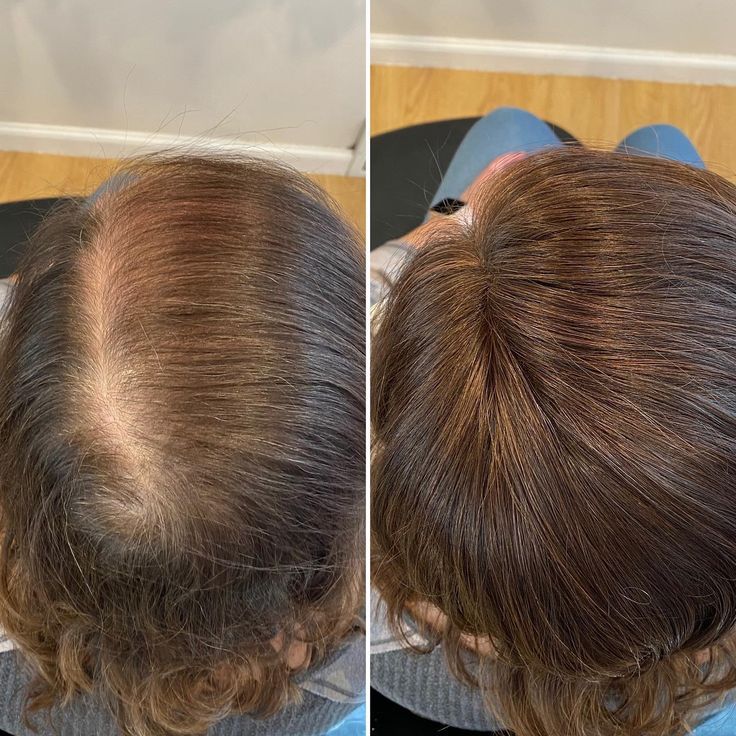
Can Dandruff Cause Hair Loss is a question many people ask when they notice flakes on their scalp or extra hair in the shower. Dandruff is a common scalp condition that causes itchy scalp, visible hair shedding, and sometimes redness or irritation. While dandruff itself does not directly destroy hair follicles, severe or untreated cases can lead to inflammation that weakens hair roots and increases the risk of telogen effluvium. People with seborrheic dermatitis or persistent flaking often worry about thinning hair, but proper dandruff treatment, gentle scalp care, and lifestyle adjustments can prevent hair loss and promote healthy hair growth.
Dandruff is one of the most common scalp conditions. Many people experience flaking, itching, and irritation, and they often wonder whether it can cause hair loss. The short answer is that dandruff itself does not directly destroy hair follicles, but severe or untreated dandruff can create conditions that make hair shedding more likely. In this article, we will explore everything you need to know about dandruff and hair loss, including causes, effects, treatments, and real-life examples.
Dandruff and Hair Loss
Dandruff is a scalp condition characterized by the shedding of dead skin cells. It often comes with an itchy scalp, redness, and irritation. While many people experience mild dandruff that is mainly cosmetic, others suffer from more severe forms, such as seborrheic dermatitis, which can increase scalp inflammation and discomfort. Hair loss related to dandruff is usually indirect. Constant scratching, irritation, and scalp inflammation can weaken hair follicles and make strands fall out faster than normal.
Hair loss can be very stressful. People notice extra hair on their pillow, in the shower, or in their comb. This can make dandruff seem more alarming, but understanding the relationship between scalp health and hair growth can help reduce fear and encourage proper care. In most cases, hair loss caused by dandruff is temporary and reversible with the right treatment and scalp care.
What Causes Dandruff
Dandruff happens for many reasons. One of the main causes is the overgrowth of Malassezia fungus on the scalp. This fungus is naturally present on the skin but can grow excessively in oily scalp conditions, leading to irritation. Other causes include a dry scalp, sensitivity to hair products, poor scalp hygiene, or seborrheic dermatitis, a more severe inflammatory form of dandruff. Hormonal changes, stress, and diet can also influence the severity of dandruff.
Excessive oil, heat, or sweat can create an environment where Malassezia thrives. The scalp responds with increased shedding of skin cells, redness, and itching. Over time, this inflammation can weaken the hair’s anchor in the follicle, especially when combined with scratching or harsh hair care routines.
Symptoms of Dandruff
The main symptoms of dandruff are visible flakes in the hair and on the shoulders, constant itching, scalp redness, and sometimes burning or irritation. The flakes can be small and dry or large and oily depending on the scalp type. People with seborrheic dermatitis often have greasy patches of skin, accompanied by more severe itching and scaling.
These symptoms can indirectly affect hair health. Scratching increases scalp irritation, which can trigger temporary hair shedding. Over time, if dandruff remains untreated, chronic inflammation can impact the scalp’s ability to maintain strong hair growth.
Types of Dandruff
Dandruff is generally categorized as dry or oily. Dry dandruff produces white, powdery flakes, and usually appears during cold or dry seasons. Oily dandruff is heavier, yellowish, and often associated with seborrheic dermatitis. Oily flakes are more likely to cause scalp inflammation and hair shedding because the scalp environment is more hospitable to fungal overgrowth and irritation. Understanding the type of dandruff is essential to choose the correct treatment, whether it’s medicated shampoo, natural remedies, or professional care.
Hair Loss Basics
Hair Growth Cycle
Hair growth occurs in three phases. The anagen phase is the active growth phase lasting several years. The catagen phase is a transitional phase, and the telogen phase is a resting phase where hair naturally sheds. Normally, 50 to 100 hairs fall daily, which is considered healthy. Factors like stress, illness, and scalp inflammation can push more hairs into the telogen phase, leading to noticeable shedding.
When dandruff causes irritation, the scalp environment can disturb the hair growth cycle. Chronic inflammation or trauma from scratching can make hair enter the telogen phase prematurely. This type of hair loss is called telogen effluvium and is usually temporary if the scalp is treated and inflammation reduced.
Types of Hair Loss
Hair loss can appear in different forms. Androgenetic alopecia is genetic and usually permanent. Alopecia areata is an autoimmune condition that causes patchy hair loss. Telogen effluvium is temporary and often triggered by stress, illness, or scalp issues like dandruff. Understanding the type of hair loss is crucial to determine whether treatment for dandruff alone will help or if other interventions are needed.
Can Dandruff Cause Hair Loss?
How Severe Dandruff Can Lead to Shedding
Severe dandruff can cause hair loss indirectly. Constant itching leads to scratching, which damages hair roots. Inflammation from seborrheic dermatitis can weaken hair follicles and trigger telogen effluvium, a temporary shedding condition. Studies suggest that people with severe dandruff are more likely to experience hair shedding, but the hair follicle itself is rarely destroyed.
Scratching the scalp may create micro-wounds. These wounds can worsen scalp inflammation, reduce blood flow to follicles, and cause hair to fall out faster. Therefore, managing dandruff early is critical to prevent hair shedding and maintain hair density.
When Hair Loss Is Not Due to Dandruff
Not all hair loss in people with dandruff is caused by the flakes or scalp irritation. Other factors like genetics, hormonal imbalance, stress, poor nutrition, and certain medications can cause hair to fall out. It is important to identify the underlying reason before attributing hair loss solely to dandruff. Dermatologists often examine scalp condition, perform hair pull tests, and check for nutritional deficiencies to determine the exact cause.
Factors That Increase Hair Loss with Dandruff
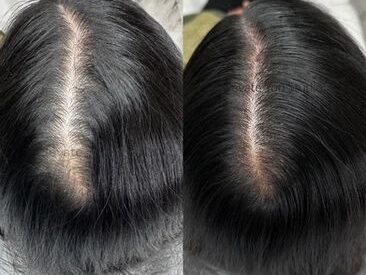
Certain factors can make hair loss worse in people with dandruff. Stress is one major contributor. Stress increases cortisol levels, which can push hair into the telogen phase. Poor nutrition, including deficiencies in iron, zinc, and biotin, also makes hair fragile. Hormonal imbalances and scalp infections can worsen both dandruff and hair shedding.
| Factor | Effect on Hair | Severity |
| Stress | Pushes hair to telogen phase | Moderate |
| Poor Nutrition | Weak hair structure | High |
| Hormonal Imbalance | Accelerates shedding | Moderate |
| Scalp Infection | Inflammation, follicle damage | High |
Treatment Options for Dandruff
Anti-Dandruff Shampoos
Medicated shampoos are the first line of treatment. Shampoos with zinc pyrithione, ketoconazole, selenium sulfide, or coal tar reduce Malassezia fungus and scalp inflammation. Regular use can relieve itching and minimize flaking. These shampoos also help reduce hair shedding by creating a healthier scalp environment.
Home Remedies
Natural treatments can also support scalp health. Tea tree oil has antifungal properties, while aloe vera soothes irritation. Apple cider vinegar balances scalp pH and reduces fungal growth. These remedies work best alongside medicated treatments for severe dandruff.
Lifestyle Changes
Healthy habits support dandruff management. Balanced diets rich in vitamins and minerals promote hair growth. Stress reduction techniques, adequate sleep, and proper scalp hygiene reduce inflammation and hair shedding. Avoiding harsh chemicals and heat styling also helps hair recover while treating dandruff.
Hair Care Tips While Treating Dandruff
Gentle care is key. Wash hair regularly with lukewarm water. Avoid harsh brushes and tight hairstyles that can pull hair. Massage the scalp gently to improve circulation. Use oils like coconut or argan oil to moisturize the scalp without worsening dandruff. These practices reduce breakage and support hair regrowth during treatment.
When to See a Doctor
Persistent dandruff with severe hair loss, scalp sores, or infections requires professional attention. Dermatologists can recommend stronger treatments, oral medications, or check for other underlying causes like hormonal imbalances or nutritional deficiencies. Early intervention ensures better outcomes for both dandruff and hair growth.
Real-Life Case Studies
One 28-year-old woman experienced severe dandruff and noticed increased hair shedding after six months. Using ketoconazole shampoo, improving her diet, and reducing stress led to visible reduction in flakes and significant hair regrowth within four months. Another case involved a man with seborrheic dermatitis and patchy hair loss. Medical treatment and gentle hair care restored his scalp health and hair density. These examples show that dandruff-related hair loss is usually reversible.
Myths vs Facts
Some myths circulate online. One myth is that dandruff always causes permanent hair loss. This is false. Most hair falls due to inflammation and scratching, not follicle destruction. Another myth is that scratching is harmless. In reality, scratching damages follicles and increases shedding. Understanding the facts helps prevent panic and encourages proper care.
Tips to Reduce Hair Loss from Dandruff
Maintain a Consistent Anti-Dandruff Routine
The most important step to reduce hair shedding caused by dandruff is a consistent treatment routine. Using medicated shampoos containing ketoconazole, zinc pyrithione, or selenium sulfide regularly can reduce Malassezia fungus overgrowth, calm scalp inflammation, and relieve itching. Consistency is key; skipping washes or irregular use can allow dandruff to flare up, worsening hair shedding. Some people may need to alternate between shampoos for oily and dry scalp to find the most effective regimen. Maintaining this routine ensures a healthier scalp environment, which is critical for strong hair growth.
Gentle Scalp Care to Prevent Damage
Scratching the scalp worsens itchy scalp hair loss. Even mild dandruff can lead to micro-injuries if scratched too frequently. To protect hair follicles, gently massage the scalp during washing instead of using nails. Avoid tight hairstyles, harsh brushing, or chemical treatments that can irritate the scalp. Oils such as coconut or argan oil can moisturize the scalp without increasing flaking, helping hair stay anchored while the scalp heals. Regular gentle care prevents unnecessary hair breakage and supports recovery from seborrheic dermatitis.
Improve Nutrition for Stronger Hair
A balanced diet is essential to reduce hair loss from dandruff. Hair follicles need iron, zinc, biotin, vitamin D, and protein to grow and stay healthy. Deficiencies in these nutrients can make hair fragile and more prone to shedding when the scalp is inflamed. Foods like eggs, fish, nuts, leafy greens, and legumes support hair growth. Even small nutritional changes, such as adding a protein-rich snack or iron-rich food daily, can improve hair strength. Proper nutrition complements dandruff treatment, making hair more resilient during recovery.
Hydration and Scalp Health
Water intake affects both scalp and hair health. Dehydration can dry the scalp, worsening flaking and inflammation and making hair strands weak. Drinking enough water daily improves blood flow and nutrient delivery to the scalp. Hydrated skin produces healthier oils, which can reduce dryness-induced dandruff. Simple habits like carrying a water bottle, eating water-rich foods, and limiting caffeine can improve hydration and help reduce hair shedding related to dandruff.
Manage Stress for Hair Growth
Stress significantly impacts both dandruff severity and hair shedding. High stress increases cortisol, which can push more hair into the telogen phase, leading to noticeable shedding. Reducing stress through meditation, deep breathing, light exercise, and proper sleep helps maintain a healthier scalp. Stress management also supports the immune system, which reduces scalp inflammation and flaking. Many people notice improvements in both dandruff and hair density when they consistently practice stress-reducing habits.
Proper Sleep for Scalp Recovery
Sleep is essential for body repair, including hair follicles. Poor sleep increases inflammation, weakens the immune system, and slows hair growth. Consistent, restful sleep allows hair follicles to recover from damage caused by seborrheic dermatitis or scratching. Establishing a routine of seven to eight hours of sleep per night, reducing screen exposure before bed, and maintaining a calm environment helps both scalp and hair health.
Avoid Harsh Chemicals and Heat Styling
Chemical treatments like bleaching, perming, or harsh hair dyes irritate the scalp and worsen dandruff-related hair loss. Excessive heat from straighteners or curling irons can also weaken hair strands. While treating dandruff, it is best to minimize chemical and heat exposure. Gentle styling methods, using mild products, and protecting hair during styling can prevent further hair damage while the scalp heals.
Monitor and Adjust Hair Care Products
Some shampoos, conditioners, and styling products can irritate the scalp, causing scalp inflammation and worsening hair shedding. Switching to sulfate-free, fragrance-free, and gentle shampoos can reduce irritation. Reading product labels and choosing formulations that support sensitive or flaky scalps prevents additional stress on hair follicles and complements your dandruff treatment routine.
Use Targeted Treatments for Severe Dandruff
For persistent dandruff and hair shedding, targeted treatments may help. Topical minoxidil can stimulate hair regrowth in areas affected by telogen effluvium. Low-level laser therapy improves blood flow to hair follicles, and PRP treatments can accelerate recovery in severe cases. These treatments work best alongside proper anti-dandruff care, nutrition, and gentle hair maintenance. A dermatologist can provide guidance tailored to scalp type and severity.
Track Progress and Be Patient
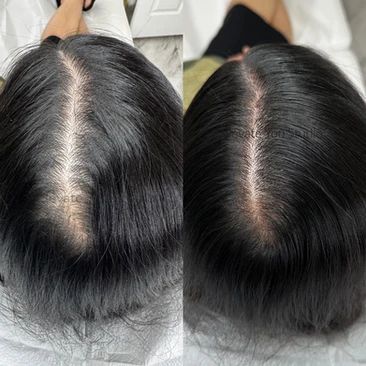
Hair growth is slow, typically 0.3 to 0.5 millimeters per day. Even with the best care, noticeable improvement takes months. Keeping a hair diary or taking photos can help track progress. Patience is important because dandruff-related hair loss is usually temporary. Combining consistent anti-dandruff care, scalp health management, nutrition, and lifestyle adjustments ensures gradual and sustainable recovery.
Sample Routine Table for Reducing Dandruff Hair Loss
| Step | Frequency | Purpose |
| Medicated Shampoo | 2-3 times/week | Reduce fungus, calm inflammation |
| Gentle Massage | During every wash | Improve circulation, prevent scratching |
| Moisturizing Oil | 1-2 times/week | Hydrate scalp, prevent dryness |
| Balanced Diet | Daily | Support hair strength and growth |
| Stress Reduction | Daily | Reduce cortisol, improve scalp health |
| Sleep | 7-8 hours/night | Allow follicle recovery |
These tips collectively reduce hair shedding, improve scalp health, and support hair regrowth while treating dandruff. Consistency, gentle care, proper nutrition, hydration, stress management, and professional guidance when needed are key to reversing dandruff-related hair loss effectively.
Conclusion
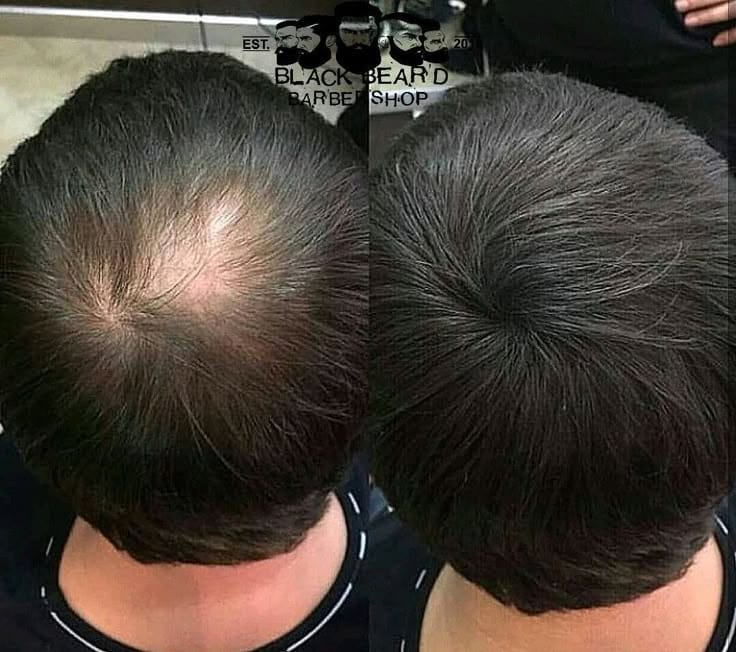
Can dandruff cause hair loss? Yes, but usually indirectly. Severe dandruff, itching, and scalp inflammation can trigger temporary hair shedding, but hair follicles are rarely permanently damaged. Early treatment, proper scalp care, nutrition, stress management, and medical consultation can prevent hair loss and promote regrowth. With patience and consistent care, hair density and scalp health can be fully restored.
Affiliate disclosure: Some buttons may lead to official product pages. We may earn a commission if you buy through those links, at no extra cost to you. Content is informational and not medical advice.