Does Dandruff Cause Hair Loss
TweetSharePin15Share15 SharesDoes Dandruff Cause Hair Loss? A Complete Guide Hair loss can be worrying, especially when paired with dandruff. Many people wonder, does dandruff cause hair loss, or…
Does Dandruff Cause Hair Loss? A Complete Guide
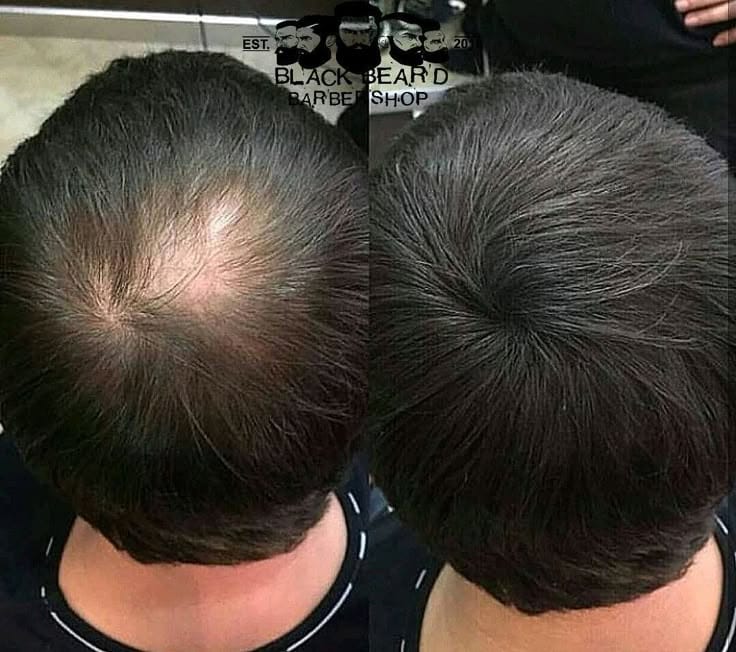
Hair loss can be worrying, especially when paired with dandruff. Many people wonder, does dandruff cause hair loss, or is it just a coincidence? While dandruff itself does not directly destroy hair follicles, it can lead to hair shedding when severe or untreated. An itchy scalp caused by flakes often makes people scratch excessively, which damages hair roots and weakens strands. Conditions like seborrheic dermatitis worsen the problem, making hair more fragile and prone to fall. Understanding how dandruff affects hair health, recognizing the symptoms, and learning proper dandruff treatment can prevent long-term damage and support healthy hair growth.
Dandruff is a widespread scalp condition that affects millions of people globally. Many individuals notice white flakes on their shoulders, experience an itchy scalp, and worry that their hair may be falling out because of it. While dandruff rarely directly damages hair follicles, severe or chronic cases can create inflammation and irritation that weakens hair roots, leading to noticeable hair shedding. Conditions like seborrheic dermatitis often worsen the problem, making hair more fragile and prone to fall. This guide explores the connection between dandruff and hair loss, provides practical dandruff treatment strategies, and shares tips to maintain a healthy scalp and strong hair.
Introduction
Hair loss can be stressful, especially when accompanied by visible dandruff. Many people assume that flakes automatically cause hair thinning, but the reality is more nuanced. Dandruff can lead to scalp inflammation, irritation, and constant scratching, all of which weaken hair follicles and accelerate hair shedding. Individuals with chronic seborrheic dermatitis or persistent flaking often see temporary thinning hair. Understanding how dandruff interacts with the hair growth cycle, scalp health, and follicle strength is essential for preventing long-term damage and encouraging healthy hair regrowth.
What is Dandruff?
Causes of Dandruff
Dandruff is caused by a combination of factors. One of the main culprits is the Malassezia fungus, a natural microorganism that lives on the scalp. When the scalp becomes too oily or irritated, this fungus can multiply rapidly, causing flaking and itchy scalp hair loss. Other contributing factors include dry scalp, sensitivity to hair products, poor hygiene, hormonal changes, stress, and dietary deficiencies. Conditions like seborrheic dermatitis exacerbate the problem, producing more severe flakes and increasing the risk of hair shedding.
Excess oil and sweat on the scalp create a favorable environment for fungal overgrowth. The scalp responds by shedding skin cells more quickly, leading to visible flakes and irritation. Over time, this inflammation can weaken the hair follicles, especially when combined with excessive scratching or harsh hair care practices.
Symptoms and Types of Dandruff
Symptoms of dandruff include visible white or yellow flakes, itchy scalp, redness, irritation, and sometimes a burning sensation. Dandruff can be classified as dry or oily. Dry dandruff produces small, white, powdery flakes, often worsening during cold or dry weather. Oily dandruff, often associated with seborrheic dermatitis, appears yellowish, greasy, and is more likely to cause scalp inflammation and hair shedding. Identifying the type of dandruff is crucial for choosing the correct dandruff treatment, whether it involves medicated shampoos, home remedies, or professional intervention.
Understanding Hair Loss
Hair Growth Cycle
Hair grows in three phases: anagen (growth), catagen (transition), and telogen (resting/shedding). Normally, 50 to 100 hairs fall daily, which is considered healthy. When the scalp is inflamed due to dandruff or seborrheic dermatitis, more hairs may enter the telogen phase prematurely. This results in temporary hair shedding known as telogen effluvium, which is often reversible with proper care and treatment.
Types of Hair Loss
Hair loss occurs in various forms. Androgenetic alopecia is genetic and usually permanent. Alopecia areata is an autoimmune condition causing patchy hair loss. Telogen effluvium is temporary and often triggered by stress, illness, or scalp issues like seborrheic dermatitis. Identifying the type of hair loss is essential to determine whether dandruff treatment alone can restore hair or if additional interventions are needed.
How Dandruff Can Lead to Hair Loss
Severe Dandruff and Hair Shedding
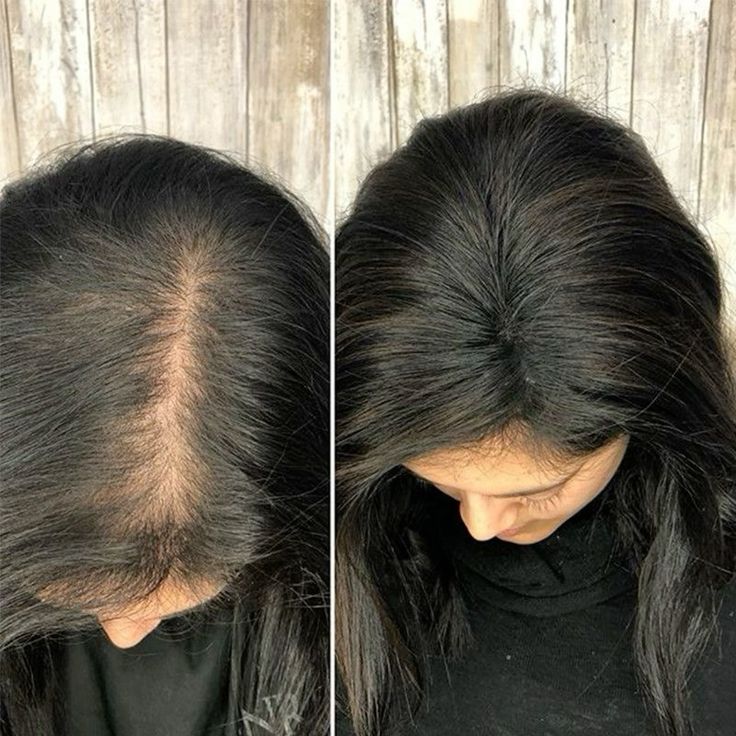
Severe dandruff can indirectly cause hair loss. Constant scratching to relieve an itchy scalp damages hair roots and creates micro-wounds, worsening scalp inflammation. This weakens follicles and accelerates hair shedding, especially in people with oily scalps or chronic seborrheic dermatitis. Studies show that moderate to severe dandruff often coincides with increased hair loss, though the follicles themselves are rarely permanently damaged. Early treatment and scalp care are crucial for preventing long-term hair thinning.
Other Factors That Worsen Hair Loss
Not all hair loss in people with dandruff is caused by flakes. Other contributing factors include stress, poor nutrition, hormonal imbalances, and certain medications. Deficiencies in iron, zinc, biotin, and proteins weaken hair structure, making it more prone to fall when the scalp is inflamed. Chronic inflammation from untreated dandruff worsens hair fragility. Addressing all contributing factors ensures healthier scalp conditions and stronger hair regrowth.
| Factor | Effect on Hair | Severity |
| Stress | Pushes hair into telogen phase | Moderate |
| Poor Nutrition | Weakens hair structure | High |
| Hormonal Imbalance | Accelerates shedding | Moderate |
| Scalp Infection | Scalp inflammation, follicle damage | High |
Treatment Options for Dandruff
Anti-Dandruff Shampoos
Medicated shampoos are the first line of defense. Ingredients like zinc pyrithione, ketoconazole, selenium sulfide, and coal tar reduce Malassezia fungus, soothe scalp inflammation, and decrease hair shedding. Regular and consistent use helps prevent flares and promotes a healthier scalp, which is essential for hair regrowth.
Home Remedies
Natural remedies can supplement treatment. Tea tree oil has antifungal properties, aloe vera soothes irritation, and apple cider vinegar balances scalp pH to control fungal growth. While effective for mild cases, severe dandruff usually requires medicated shampoos or dermatologist supervision for lasting results.
Lifestyle Changes
Proper nutrition, hydration, stress management, and adequate sleep support scalp health and hair growth. Avoiding harsh chemical treatments, tight hairstyles, and excessive heat styling reduces damage. These lifestyle adjustments, combined with dandruff treatment, improve scalp conditions, promote hair regrowth, and reduce hair shedding.
Hair Care Tips While Treating Dandruff
Gentle hair care is critical. Wash hair with lukewarm water, massage the scalp gently, and avoid aggressive brushing or tight hairstyles that pull hair. Oils like coconut or argan oil can hydrate the scalp without worsening flakes. Reducing chemical exposure and heat styling prevents further damage. Consistent and gentle care supports hair follicle health, reduces scalp inflammation, and encourages hair recovery during treatment.
When to See a Doctor
Persistent dandruff, severe hair loss, sores, or infections require medical evaluation. Dermatologists may prescribe stronger shampoos, oral antifungal medications, or other treatments. They can also investigate underlying causes like hormonal imbalances, nutrient deficiencies, or autoimmune conditions. Early intervention ensures the best outcomes for scalp health and long-term hair density.
Real-Life Case Studies
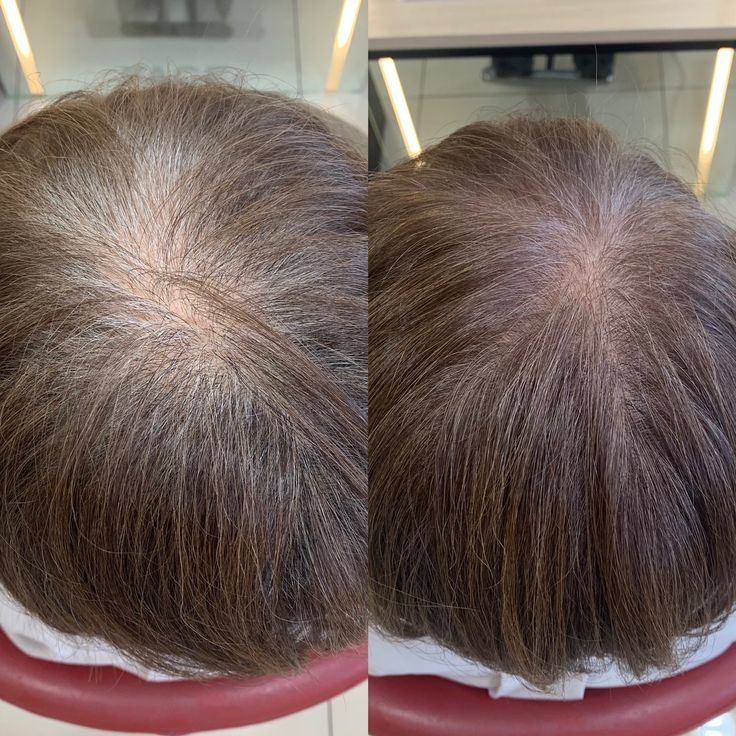
A 28-year-old woman with severe dandruff noticed significant hair shedding over six months. She began using ketoconazole shampoo, improved her diet, and reduced stress. Within four months, flakes reduced and hair density improved noticeably. Another case involved a man with seborrheic dermatitis and patchy hair loss. Targeted treatment, gentle hair care, and lifestyle adjustments restored both scalp health and hair thickness. These examples show that dandruff-related hair loss is usually temporary and reversible with proper care.
Myths vs Facts
A common myth is that dandruff always causes permanent hair loss, which is false. Hair follicles are rarely destroyed by flakes. Another myth is that scratching is harmless. In reality, scratching damages follicles and accelerates hair shedding. Understanding these facts helps people take appropriate action without panic, focusing on treatment and scalp care.
Tips to Prevent Hair Loss from Dandruff
Dandruff may not directly destroy hair follicles, but it can lead to hair shedding if left untreated. Persistent flakes and an itchy scalp often result in scratching, which weakens hair roots and triggers temporary hair loss. People with seborrheic dermatitis are particularly prone to this. The good news is that consistent care, lifestyle adjustments, and proper treatment can prevent further hair loss and promote hair regrowth. In this section, we discuss practical, science-backed tips to reduce scalp inflammation, maintain healthy hair, and manage dandruff effectively.
Use Medicated Shampoos Regularly
The first and most effective step in preventing dandruff-related hair loss is using medicated shampoos consistently. Ingredients like ketoconazole, zinc pyrithione, selenium sulfide, and coal tar combat the Malassezia fungus, reduce scalp inflammation, and minimize hair shedding. It is important to follow the instructions carefully and avoid skipping washes. Alternating shampoos with different active ingredients can also help treat resistant dandruff.
Some people experience mild irritation when using medicated shampoos. If this happens, diluting the shampoo with water or reducing frequency can help. Regular use over weeks improves scalp health, reduces flakes, and strengthens hair follicles.
Gentle Scalp Care is Essential
Scratching an itchy scalp can severely damage hair follicles, accelerating hair shedding. Instead of scratching, massage the scalp gently while washing hair. This improves blood circulation and strengthens roots without harming hair. Avoid harsh combs, tight hairstyles, or rough towel drying, as these can pull on weak hair.
Oils like coconut oil, argan oil, and jojoba oil can help moisturize the scalp without increasing flaking. Applying a thin layer and massaging gently soothes irritation, reduces dryness, and strengthens the scalp barrier. A healthy scalp reduces the risk of temporary hair loss caused by dandruff.
Maintain Proper Nutrition for Healthy Hair
Nutrition plays a critical role in preventing hair loss. Hair follicles require protein, iron, zinc, biotin, vitamin D, and omega-3 fatty acids for proper growth and strength. Deficiency in these nutrients weakens hair strands and makes them more prone to fall, especially when the scalp is inflamed.
Foods such as eggs, fish, nuts, leafy greens, lentils, and seeds provide essential nutrients. Even small dietary changes, like adding a protein-rich snack daily or consuming iron-rich foods, can improve hair structure and reduce hair shedding. A balanced diet complements dandruff treatment and accelerates recovery of hair density.
| Nutrient | Function for Hair | Food Sources |
| Protein | Builds hair structure | Eggs, fish, legumes |
| Iron | Prevents hair weakness | Spinach, red meat, lentils |
| Zinc | Supports follicle health | Nuts, seeds, seafood |
| Biotin | Promotes growth | Eggs, almonds, oats |
| Vitamin D | Strengthens follicles | Fatty fish, fortified milk |
| Omega-3 | Reduces inflammation | Salmon, chia seeds, walnuts |
Hydration and Scalp Health
Drinking sufficient water is essential for both scalp and hair health. Dehydration leads to dryness, worsens flakes, and increases scalp inflammation, contributing to hair shedding. Water improves blood circulation to hair follicles, allowing nutrients to reach the roots more efficiently.
In addition to drinking water, consuming water-rich fruits and vegetables like cucumbers, watermelon, and oranges helps maintain scalp hydration. Proper hydration reduces dryness-induced dandruff, creating a healthier environment for hair regrowth.
Manage Stress Effectively
Stress is a major contributor to hair loss. High cortisol levels push more hairs into the telogen phase, leading to temporary hair shedding. Stress also aggravates dandruff by increasing scalp oiliness and inflammation.
Managing stress through meditation, yoga, deep breathing exercises, and light physical activity helps maintain a calm scalp environment. Many people notice reduced flakes and slower hair loss when stress is controlled. Adequate sleep is another critical factor, as the scalp repairs and hair follicles recover during deep sleep.
Avoid Harsh Hair Treatments
Chemical treatments, excessive heat styling, and bleaching damage hair shafts and can worsen hair loss when combined with dandruff. Chemical irritants increase scalp inflammation, while heat makes hair brittle and prone to breakage.
During dandruff treatment, minimize chemical exposure and use heat styling sparingly. If styling is necessary, apply heat protectants and opt for lower temperatures. This protects fragile hair while the scalp heals and promotes hair regrowth.
Monitor Hair Care Products
Some shampoos, conditioners, or styling products contain sulfates, alcohol, or fragrances that irritate the scalp. Switching to gentle, fragrance-free, sulfate-free products can reduce irritation and prevent worsening dandruff.
Regularly reviewing product ingredients ensures that nothing aggravates the scalp, reduces scalp inflammation, or triggers additional hair shedding. Products that moisturize and soothe the scalp support recovery and long-term hair health.
Targeted Treatments for Severe Cases
For stubborn dandruff or noticeable hair loss, dermatologists may recommend advanced treatments. Topical minoxidil can stimulate hair regrowth in areas affected by telogen effluvium, while low-level laser therapy improves blood flow to hair follicles. In severe cases, platelet-rich plasma (PRP) therapy can accelerate scalp recovery.
These treatments work best alongside medicated shampoos, proper nutrition, gentle hair care, and lifestyle adjustments. Professional guidance ensures safe and effective recovery from dandruff-related hair loss.
Be Patient and Track Progress
Hair growth is a slow process, typically 0.3 to 0.5 millimeters per day. Even with proper care, visible improvement may take months. Keeping a hair diary, taking progress photos, or noting changes in scalp condition can help track improvement and maintain motivation.
Consistency in dandruff treatment, scalp care, nutrition, stress management, and lifestyle changes is crucial. Most dandruff-related hair loss is temporary and reversible. Patience, along with diligent care, ensures sustainable hair recovery and prevents relapse.
Sample Daily Routine to Prevent Hair Loss from Dandruff
| Time | Activity | Purpose |
| Morning | Wash hair with medicated shampoo | Reduce flakes and fungus |
| After Wash | Gentle scalp massage | Improve circulation, reduce scratching |
| Daytime | Hydration and balanced meals | Provide nutrients to hair follicles |
| Evening | Stress management (meditation, light exercise) | Reduce cortisol and scalp inflammation |
| Night | Adequate sleep (7-8 hours) | Allow scalp and hair follicle recovery |
| Weekly | Apply moisturizing oils | Prevent dryness and maintain scalp health |
Conclusion
Preventing hair loss from dandruff is possible with a consistent and comprehensive approach. Using medicated shampoos, practicing gentle scalp care, maintaining proper nutrition, staying hydrated, managing stress, avoiding harsh chemicals, and monitoring hair care products all contribute to healthier hair and a flake-free scalp. Most cases of dandruff-related hair loss are temporary, and with patience and proper care, hair density and scalp health can be fully restored. Combining these tips with professional advice ensures lasting results and reduces the risk of future hair shedding caused by dandruff.
Practical Tips to Reduce Hair Loss from Dandruff
Maintaining a consistent anti-dandruff routine is key. Medicated shampoos should be used as directed to reduce fungal overgrowth and soothe scalp inflammation. Gentle scalp massage improves blood flow and prevents follicle damage. Proper nutrition with iron, zinc, biotin, protein, and vitamins strengthens hair. Hydration, stress management, and sufficient sleep also support scalp and hair recovery. Avoiding harsh chemicals and heat, monitoring product ingredients, and seeking medical advice when necessary ensures long-term scalp health.
| Step | Purpose | Frequency |
| Medicated Shampoo | Reduce fungus and inflammation | 2-3 times/week |
| Gentle Massage | Improve blood flow, prevent scratching | Every wash |
| Moisturizing Oils | Hydrate scalp, prevent dryness | 1-2 times/week |
| Balanced Diet | Strengthen hair | Daily |
| Stress Reduction | Reduce cortisol, improve follicle health | Daily |
| Sleep | Allow hair and scalp recovery | 7-8 hours/night |
Conclusion
Does dandruff cause hair loss? Yes, but primarily indirectly. Severe dandruff, scratching, and chronic scalp inflammation can trigger temporary hair shedding, but hair follicles are usually unharmed. Early treatment, consistent scalp care, proper nutrition, and lifestyle adjustments prevent hair loss and support hair regrowth. With patience, gentle care, and medical guidance when needed, both scalp health and hair density can be fully restored.
Affiliate disclosure: Some buttons may lead to official product pages. We may earn a commission if you buy through those links, at no extra cost to you. Content is informational and not medical advice.