Blood Sugar Levels
TweetSharePin9Share9 SharesMaintaining healthy blood sugar levels is essential for overall health and daily energy. Glucose, the body’s main fuel, comes from the foods we eat, and keeping it…

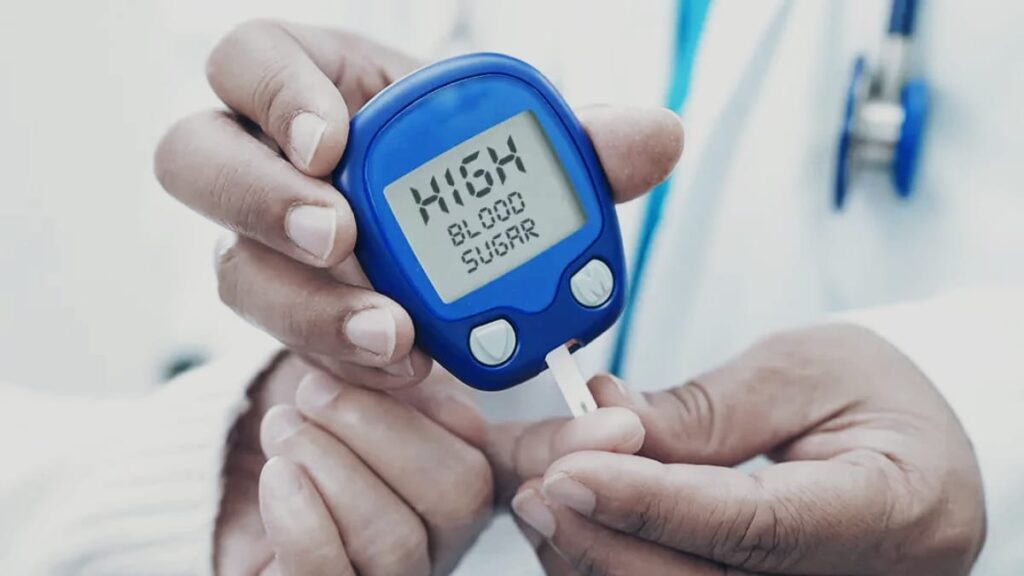
Maintaining healthy blood sugar levels is essential for overall health and daily energy. Glucose, the body’s main fuel, comes from the foods we eat, and keeping it balanced helps prevent fatigue, mood swings, and long-term health problems. Many people experience spikes and drops in blood sugar without realizing it, which can lead to insulin resistance, type 2 diabetes, or other metabolic issues. Understanding how your body processes sugar, how meals affect glucose, and the role of insulin can help you take control of your health. With simple lifestyle changes, including diet, nutrition, and activity, you can keep your blood sugar levels stable and feel energetic throughout the day.
Blood sugar levels change many times throughout the day. They rise when you eat and fall as the body uses energy. Stress, sleep, food, illness, hormones, and physical activity also change your glucose levels. Because of these constant shifts, many people never notice when their blood sugar is moving out of the healthy zone. Understanding how to recognize changes and what to do about them is the first step toward good health.
Normal Blood Sugar Levels
Normal blood sugar levels show how well your body is managing glucose. When these numbers stay in the normal range, it means your pancreas and insulin are working well. Insulin is the hormone that helps move sugar from the blood into your cells. When your insulin does not work correctly, sugar stays in the blood and causes high blood sugar levels. If the body overreacts, glucose may drop too much, causing low blood sugar levels. Knowing your normal range helps you understand when your body needs support.
Here is an easy table showing generally accepted normal values for adults.
| Test Type | Normal Level |
| Fasting (after 8 hours without food) | 70 to 99 mg/dL |
| Before meals | 70 to 130 mg/dL |
| Two hours after meals | Less than 140 mg/dL |
| A1C (3-month average) | Below 5.7% |
These numbers matter because they show your body’s short-term and long-term health. The fasting number shows how your body handles sugar without food. The after-meal value shows how your body responds to carbohydrates. The A1C value shows your average pattern over three months, which is useful for spotting long-term problems.
What Controls Blood Sugar Levels
Your body controls blood sugar levels through a careful system that includes insulin, the pancreas, the liver, hormones, and your muscles. When you eat food, especially carbohydrates, your body converts it into glucose. Insulin then helps the glucose enter your cells. If there is too much sugar in the blood, insulin increases. If there is too little sugar, your liver releases stored glucose to bring levels back up. This system works smoothly when you are healthy. But when you have insulin resistance, stress, lack of sleep, or too much processed food, the system becomes unbalanced.
Food is the biggest factor that affects blood sugar. Stress also plays a major role because stress hormones tell your body to release extra sugar for quick energy. Poor sleep increases hunger hormones and weakens insulin sensitivity. Physical activity uses glucose for energy, so regular movement brings down high blood sugar levels naturally. Even a simple walk helps muscles pull glucose from the blood effectively.
Causes of High Blood Sugar Levels
High blood sugar, or hyperglycemia, happens when the body cannot use insulin well or does not make enough of it. This causes glucose to stay in the bloodstream instead of entering cells. High blood sugar can happen when you eat too much sugar or refined carbohydrates, when you experience strong stress, when you do not sleep well, or when you are sick. Some people have insulin resistance, which makes their body less responsive to insulin. Over time, this can lead to Type 2 diabetes if not controlled.
People often notice signs of high blood sugar such as increased thirst, tiredness, frequent urination, or blurry vision. In many cases, early high blood sugar does not cause strong symptoms, so people may not realize something is wrong. When high blood sugar continues for months or years, it can damage blood vessels. This increases the risk of heart disease, kidney problems, nerve damage, and eye issues. Taking steps early can prevent many of these long-term complications.
Causes of Low Blood Sugar Levels
Low blood sugar, or hypoglycemia, happens when glucose drops below what the body needs. This often occurs when someone eats too little, takes too much diabetes medication, or exercises more than usual without adjusting food intake. Low blood sugar can also happen after skipping meals or drinking alcohol on an empty stomach. People may feel shaky, sweaty, confused, hungry, light-headed, or irritable. If levels drop too low, the person may faint or have a seizure.
Low blood sugar needs quick care. If your levels fall often, you may need to change meal timing, medication, or exercise habits. Long-term low blood sugar can affect brain function, memory, and mood. Knowing your usual symptoms helps you respond quickly when a drop happens.
How to Maintain Healthy Blood Sugar Levels
Maintaining healthy blood sugar levels is possible for everyone. The most helpful place to start is with your daily eating habits. Meals that include protein, fiber, and healthy fats digest slowly and help keep glucose steady. Meals very high in refined carbohydrates digest quickly and cause blood sugar spikes. Many people find it helpful to include foods like vegetables, whole grains, beans, nuts, seeds, lean meats, and healthy oils. Simple changes like adding protein at breakfast or limiting sugary drinks can make a big difference.
Exercise helps your body use glucose more effectively. Muscles need sugar to move, so physical activity naturally lowers high blood sugar. Even short, easy walks after meals help manage spikes. Sleep is another key factor. When you sleep well, your hormones work properly and insulin sensitivity improves. Stress management is also essential because stress hormones raise blood sugar. Techniques like breathing exercises, meditation, or stretching can help bring stress down. When combined, these habits improve blood sugar control and support long-term health.
Foods That Affect Blood Sugar Levels
Food choices have a major impact on blood sugar levels. Foods that digest slowly and help balance glucose include vegetables, whole grains like oats and brown rice, lean proteins such as fish or beans, and healthy fats such as olive oil and avocado. These foods release energy slowly, so your levels remain steady throughout the day. Foods that raise blood sugar very quickly include sugary drinks, white bread, white rice, candy, pastries, fried snacks, and processed meals. Eating too many of these foods can cause glucose to rise sharply and fall sharply, making you feel tired, hungry, and unfocused.
A helpful approach is to understand the glycemic index. This system ranks foods based on how quickly they raise blood sugar. Low-glycemic foods raise glucose slowly and support stable energy. High-glycemic foods raise glucose quickly and create spikes. People who choose more low-glycemic foods often see improved energy, mood, and long-term blood sugar control. This does not mean you cannot enjoy sweet foods. It simply means enjoying them in moderation and pairing them with foods that slow digestion.
Case Studies on Blood Sugar Management
Real-life examples show how small lifestyle changes can transform blood sugar levels. A 52-year-old man with prediabetes had fasting levels around 110 mg/dL. He began adding protein to his breakfast, walking for twenty minutes after dinner, and reducing sugary drinks during the day. After ten weeks, his fasting levels fell to 92 mg/dL and his energy improved. He reported feeling less tired in the afternoon and sleeping better.
A 34-year-old woman struggled with stress-related high blood sugar levels every morning. Her morning glucose stayed above 130 mg/dL even though she ate well. After improving her sleep routine, reducing nighttime screen use, and practicing ten minutes of deep breathing before bed, her morning blood sugar dropped below 105 mg/dL in three weeks. This example shows how powerful stress and sleep are for glucose control.
A 28-year-old athlete who trained intensely experienced sudden episodes of low blood sugar during workouts. After tracking his meals, he realized he was not eating enough before training. By adding a balanced snack with carbohydrates and protein before exercising, his levels stabilized and the symptoms disappeared.
When to Seek Medical Advice
You should talk to a doctor if your blood sugar levels stay high or low for several days, if you feel extremely tired, or if you notice symptoms like blurry vision, numbness, slow healing, or unexpected weight changes. A doctor may check your A1C level to see your three-month average. This test is very helpful for spotting early signs of diabetes or prediabetes. Early diagnosis allows you to make changes before permanent health problems develop.
Doctors can also help if lifestyle changes do not improve your numbers. Sometimes medication or insulin is necessary. Your doctor can advise you on the right treatment plan, monitor your condition, and help prevent long-term damage. Regular checkups are important even when you feel healthy because blood sugar problems often develop quietly.
Helpful Tips to Keep Blood Sugar Levels Healthy
Keeping blood sugar levels stable is one of the most important parts of staying healthy, having good energy, and preventing long-term health problems. Many people struggle with swings in their glucose levels without understanding why it happens or what they can do about it. The good news is that maintaining healthy blood sugar is not complicated. It does not require extreme diets or strict rules. It simply needs daily habits that support your body’s natural ability to manage glucose. In this guide, you will learn practical, simple, and powerful tips written in easy English, so you can use them in your daily life without feeling overwhelmed. These tips can help anyone, whether you are trying to prevent diabetes, manage prediabetes, or simply support your overall health.
One of the first and most effective tips is to eat regularly. Many people skip meals because they are busy, and this causes large drops in blood sugar. When the body goes too long without food, glucose levels fall, and your body reacts by releasing stress hormones that raise blood sugar too quickly. This creates a sudden spike that makes you feel tired later. Eating small meals or snacks every three to four hours helps prevent big rises and falls. It keeps your energy stable and reduces cravings. Simple snacks like fruit with yogurt, nuts with seeds, or a boiled egg with vegetables keep your levels balanced without requiring a large meal.
Another important tip is choosing foods that digest slowly. Foods that digest slowly release glucose into the blood little by little, which helps maintain a steady level. Whole grains, beans, lentils, vegetables, nuts, seeds, eggs, fish, and chicken are all examples of slow-digesting foods. When you eat these foods, your body has time to process the glucose properly. On the other hand, foods that digest very fast, such as sugary snacks, white bread, white rice, pastries, and soda, cause rapid spikes in blood sugar. These spikes make you feel energetic for a short moment, then tired and hungry again soon after. Choosing slow-digesting foods helps you avoid that cycle.
A helpful tip is to include protein in every meal. Protein slows digestion naturally, which means it also slows how fast sugar enters your bloodstream. When you pair carbohydrates with protein, such as rice with chicken, fruit with nuts, or toast with eggs, you keep your glucose steady for longer periods. This combination is especially helpful first thing in the morning. Many people feel tired or hungry mid-morning because they eat only carbohydrates for breakfast. Adding protein to your breakfast helps you stay full and energized until lunch.
Drinking enough water is also essential for balanced blood sugar levels. When the body is dehydrated, glucose becomes more concentrated in the bloodstream, causing levels to rise. Water helps your kidneys flush extra sugar out of your body. Many people think they feel hungry when they are actually thirsty. Having water throughout the day supports natural glucose control. It does not have to be a lot all at once. Simply sipping small amounts through the day can make a big difference.
Another powerful tip is to move your body after eating. This does not require intense exercise. A slow or moderate walk for ten to fifteen minutes is enough for your muscles to use glucose from your meal. When you move after eating, your blood sugar does not rise as fast. This is especially helpful after lunch or dinner when meals are larger. Many people who start walking after meals notice they feel lighter, more comfortable, and less tired. This habit also supports long-term glucose control because regular movement improves how the body responds to insulin.
Sleep is another major factor that people often ignore. Poor sleep affects hormones that control hunger, cravings, and insulin sensitivity. When you are tired, your body struggles to use insulin properly, which leads to higher blood sugar levels. You may also crave sugar for quick energy. Getting seven to eight hours of sleep each night helps reset your hormones and reduces stress on your body. A relaxing bedtime routine such as reading, stretching, or listening to soft music can help you fall asleep faster. Limiting screens before bed also makes sleep easier and deeper.
Managing stress is also extremely important. Stress hormones such as cortisol cause blood sugar to rise because your body thinks you need extra energy. This made sense long ago when humans needed energy to run from danger. Today, stress often comes from work, family, or daily pressures, not physical danger. Since the glucose is not used, it stays in your blood and raises your levels. You can reduce stress by practicing slow breathing, meditation, stretching, gentle yoga, or even short breaks during the day. Many people find relief by taking a few minutes to pause and breathe deeply. This simple action helps lower blood sugar naturally.
Another helpful tip is to increase your fiber intake. Fiber slows the digestive process and reduces how fast sugar enters the bloodstream. Foods rich in fiber include oats, apples, pears, chia seeds, flaxseeds, lentils, chickpeas, and leafy greens. When you eat fiber, your body works more slowly to break down the food, which keeps blood sugar levels steady. Fiber also supports digestive health, reduces inflammation, and helps control appetite. Eating more fiber is one of the easiest ways to improve blood sugar without needing strict dieting.
Many people benefit from tracking how different foods affect their blood sugar. If your doctor recommends home glucose monitoring, you may notice patterns. For example, some people see higher levels after certain meals like fried foods, large portions of pasta, or sweet drinks. Others notice changes during stressful days. Tracking helps you understand your own body and make informed choices. It is not about being perfect; it is about learning what works for you.
Another important tip is to choose whole foods more often than processed foods. Whole foods such as vegetables, fruits, fish, eggs, beans, oats, and nuts contain natural nutrients. Processed foods often contain added sugar, unhealthy fats, and chemicals that make your body work harder. These foods cause fast spikes in blood sugar and leave you feeling tired. Eating whole foods supports long-term health and keeps your body balanced.
Lastly, consistency is key. You do not need extreme rules or intense restrictions. Small daily habits such as drinking water, adding protein, eating more fiber, moving after meals, and sleeping well can completely transform your blood sugar levels. Healthy blood sugar control comes from simple and steady choices made over time.
Conclusion
Understanding blood sugar levels helps you protect your health every day. Knowing what affects your glucose, recognizing symptoms of high and low blood sugar, and taking simple steps to manage your diet, sleep, stress, and exercise can greatly improve your well-being. Balanced meals, regular movement, good sleep, and stress reduction are powerful tools for keeping your blood sugar stable. With the right knowledge, you can control your blood sugar instead of letting it control you. Good habits today build better health for tomorrow
Affiliate disclosure: Some buttons may lead to official product pages. We may earn a commission if you buy through those links, at no extra cost to you. Content is informational and not medical advice.