
Maintaining normal blood sugar is essential for overall health and energy. Blood glucose levels provide the fuel the body and brain need to function properly. When blood sugar stays within a healthy range, it prevents fatigue, mood swings, and long-term conditions like diabetes and heart disease. Many factors influence fasting glucose and post-meal sugar levels, including diet, exercise, stress, and sleep. Understanding what is considered normal blood sugar helps you monitor your health, make better lifestyle choices, and detect early signs of imbalance. By keeping blood glucose levels stable, you support long-term wellness, improved energy, and mental clarity.
What is Normal Blood Sugar?
Normal blood sugar means that your blood glucose levels are within the range your body needs to function efficiently. Fasting glucose measures sugar after at least eight hours without food, while postprandial glucose measures sugar 1–2 hours after eating. Both are important because they reflect how the body processes glucose in different situations. Stable blood sugar levels allow consistent energy, mental focus, and proper organ function.
Normal Blood Sugar Ranges
| Measurement Type | Normal Range (mg/dL) | Notes |
| Fasting | 70–99 | Early morning before meals |
| Postprandial | Less than 140 | 1–2 hours after meals |
| Random | Less than 125 | Any time of day |
| HbA1c (Average 3 months) | 4–5.6% | Long-term glucose control |
Case Study: A 38-year-old woman tracked her fasting and post-meal glucose. She found her postprandial glucose rarely exceeded 130 mg/dL. By eating balanced meals with complex carbohydrates and protein, she maintained steady blood glucose levels throughout the day.
Factors Affecting Blood Sugar
Several factors influence blood glucose levels. Diet is a major one. Eating foods rich in refined sugar can spike glucose levels, while complex carbohydrates release energy slowly. Physical activity improves insulin sensitivity and allows muscles to use glucose efficiently, lowering sugar naturally. Stress triggers hormones like cortisol, which raise blood glucose levels, while poor sleep affects insulin regulation. Medications, hormonal changes, and illnesses such as thyroid or liver disorders can also impact glucose. Understanding these factors allows proactive measures to maintain normal blood sugar consistently.
Symptoms of Abnormal Blood Sugar
When blood sugar levels move outside the normal range, symptoms appear. High blood sugar, or hyperglycemia, can cause fatigue, frequent urination, thirst, blurred vision, and irritability. Low blood sugar, or hypoglycemia, leads to shakiness, sweating, hunger, dizziness, and confusion. Severe hypoglycemia can result in fainting or seizures. Recognizing early warning signs is critical to prevent serious complications. Individuals who track their glucose can identify patterns and take corrective action before symptoms worsen.
How to Measure Blood Sugar

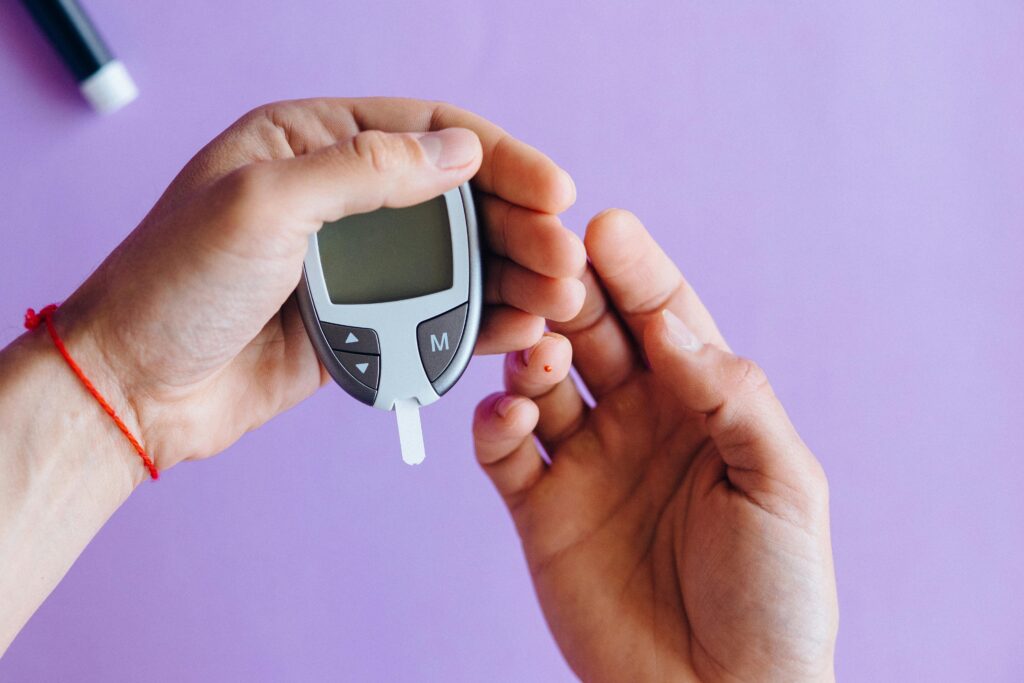
Monitoring blood glucose levels is essential for understanding your body’s response to food, activity, and stress. Home glucose meters provide fast results, while continuous glucose monitors offer real-time data and trends. Laboratory tests, including fasting plasma glucose (FPG), oral glucose tolerance test (OGTT), and HbA1c, provide detailed insights into long-term glucose control. Regular measurement helps detect abnormalities early and enables adjustments in diet, activity, or medication to maintain normal blood sugar.
Maintaining Normal Blood Sugar
Maintaining stable blood glucose levels requires a combination of diet, activity, and lifestyle. Eating meals rich in complex carbohydrates, fiber, and protein prevents spikes and crashes. Regular physical activity helps muscles use glucose efficiently. Stress management, through meditation, yoga, or deep breathing, prevents stress-induced sugar spikes. Adequate sleep supports insulin function, and staying hydrated aids metabolism. Monitoring patterns over time helps individuals adjust habits to keep glucose within the normal blood sugar range.
Foods That Support Stable Blood Sugar
| Food Type | Examples | Benefits |
| Complex Carbs | Oats, quinoa, brown rice | Slow energy release prevents spikes |
| Fiber-Rich | Vegetables, legumes, fruits | Helps stabilize sugar |
| Protein | Eggs, fish, chicken, tofu | Maintains satiety and steady glucose |
| Healthy Fats | Nuts, olive oil, avocado | Supports insulin function |
Tip: Pair carbohydrates with protein or healthy fats to avoid sudden glucose spikes and maintain blood sugar levels consistently.
Lifestyle Tips for Stable Blood Sugar
Maintaining normal blood sugar requires more than just diet. Meal planning with small, balanced meals prevents glucose dips. Snacking smartly with fruit, yogurt, or nuts supports steady energy. Regular exercise, including walking, strength training, and yoga, improves insulin sensitivity. Stress management techniques prevent spikes caused by cortisol, while sleep ensures proper glucose regulation. Avoiding excessive alcohol and caffeine helps prevent sugar fluctuations. Tracking blood glucose levels alongside meals and activities identifies patterns, allowing adjustments for optimal stability.
Case Study: A 45-year-old man with prediabetes improved his blood sugar levels by walking after meals, eating fiber-rich foods, and practicing relaxation techniques. Within six months, his fasting glucose dropped from 108 mg/dL to 95 mg/dL, demonstrating that lifestyle adjustments significantly impact glucose regulation.
Risks of Not Maintaining Normal Blood Sugar
Persistent abnormal blood glucose levels can lead to serious health problems. High glucose increases the risk of type 2 diabetes, heart disease, kidney damage, nerve damage, and vision problems. Chronic low glucose may cause fatigue, confusion, or fainting. Maintaining normal blood sugar protects organs, supports energy, and reduces long-term disease risk. Early intervention, monitoring, and lifestyle adjustments are crucial to avoid these complications.
Tips to Maintain Normal Blood Sugar
Maintaining normal blood sugar requires consistent, everyday habits. One of the most important strategies is to eat balanced meals. Meals should include complex carbohydrates, protein, and fiber, which provide slow, steady energy and prevent sudden spikes or dips in blood glucose levels. For example, oatmeal with nuts and fruit in the morning or a quinoa salad with chicken for lunch helps keep sugar levels stable. It is important not to skip meals, as fasting for long periods can cause drops in glucose and lead to fatigue, dizziness, or irritability. Drinking enough water throughout the day also supports metabolism and helps keep sugar levels even.
Physical activity is another key factor in maintaining normal blood sugar. Walking, strength training, yoga, or even light stretching helps muscles use glucose efficiently and improves insulin sensitivity. Exercising after meals can be particularly effective in reducing post-meal glucose spikes. However, it’s important to monitor blood sugar if you plan intense workouts, especially for people at risk of low glucose, and to have a healthy snack available if needed.
Managing stress is equally critical for stable blood glucose levels. Stress hormones such as cortisol can raise sugar in the bloodstream, even in otherwise healthy individuals. Techniques like meditation, deep breathing, yoga, or engaging in enjoyable hobbies can reduce stress and keep glucose levels steady. Chronic stress can have a significant impact on glucose control, so incorporating stress management into daily routines is essential.
Quality sleep also plays a major role. Adults generally need seven to eight hours of sleep each night to regulate hormones that influence blood sugar. Poor sleep can impair insulin sensitivity and increase glucose levels, leading to fatigue and increased risk of metabolic issues over time. Maintaining a consistent sleep schedule and creating a calm bedtime environment can support better glucose regulation.
Monitoring your blood sugar levels can provide valuable feedback on how meals, activity, stress, and sleep affect your glucose. Using a home glucometer or continuous glucose monitor helps detect patterns and allows for timely adjustments to diet and lifestyle. Recognizing early signs of abnormal sugar, such as shakiness, sudden hunger, or fatigue, ensures quick corrective action.
Finally, choosing foods wisely is essential. Low glycemic index options like oats, brown rice, quinoa, vegetables, and fruits release sugar slowly, keeping blood sugar stable. Pairing these foods with protein, such as eggs, fish, or legumes, further prevents spikes and crashes. Limiting refined sugars, sweetened drinks, and highly processed foods helps maintain consistent glucose levels, supporting overall energy, focus, and long-term health.
Conclusion and Final Tips

Maintaining normal blood sugar is essential for long-term health, energy, and overall well-being. Blood glucose is the body’s primary fuel, and keeping it within a healthy range prevents fatigue, mood swings, and serious health problems like diabetes, heart disease, and nerve damage. As we have seen, blood sugar levels are influenced by many factors, including diet, physical activity, stress, sleep, and hydration. Monitoring glucose regularly, understanding trends, and responding promptly to fluctuations are key steps toward stable blood sugar.
Lifestyle choices are the most effective tools for controlling blood glucose levels. Eating balanced meals with complex carbohydrates, protein, and fiber prevents sudden spikes and dips, while regular physical activity helps the body use glucose efficiently. Stress management, through meditation, yoga, or relaxation techniques, reduces hormone-related sugar fluctuations. Adequate sleep and proper hydration support insulin function and metabolism, making it easier to maintain normal blood sugar consistently.
Real-life examples and case studies show that small, consistent changes can produce significant results. Simple adjustments like walking after meals, including fiber-rich foods, and monitoring patterns can lower fasting and post-meal glucose to healthy levels. Awareness and education empower individuals to make informed choices, respond to early warning signs, and adopt habits that support long-term blood glucose regulation.
In summary, maintaining normal blood sugar is achievable for everyone through a combination of balanced nutrition, regular exercise, stress management, sufficient sleep, and glucose monitoring. Consistency is more important than perfection, and small daily actions add up to significant improvements. By following these strategies, you can support your energy, focus, and overall health while reducing the risk of chronic conditions.
Final Tips: Always eat meals with fiber and protein, stay active daily, manage stress effectively, monitor your blood sugar levels, get adequate sleep, and stay hydrated. These practical steps ensure your blood glucose remains within the healthy range and supports lifelong wellness.
FAQs About Normal Blood Sugar
What is a normal fasting blood sugar?
Fasting blood glucose levels should be between 70–99 mg/dL in healthy adults.
What is normal post-meal glucose? After meals, blood sugar should generally be less than 140 mg/dL.
Can stress affect blood sugar? Yes. Stress hormones like cortisol can temporarily raise blood glucose levels.
How often should I monitor blood sugar? Healthy individuals may check occasionally. Those at risk or with diabetes may need daily or multiple daily measurements.
Can diet alone maintain normal blood sugar? Diet is important, but exercise, sleep, stress management, and regular monitoring are also essential to keep blood glucose levels stable.
Conclusion
Maintaining normal blood sugar is essential for energy, focus, and long-term health. Balanced meals, regular physical activity, stress management, proper sleep, and regular monitoring keep blood glucose levels stable. Case studies show that simple lifestyle adjustments, such as meal planning and daily walking, can reduce glucose spikes and dips, preventing diabetes and other complications. Awareness, proactive management, and consistency empower individuals to maintain healthy blood sugar, supporting overall well-being.